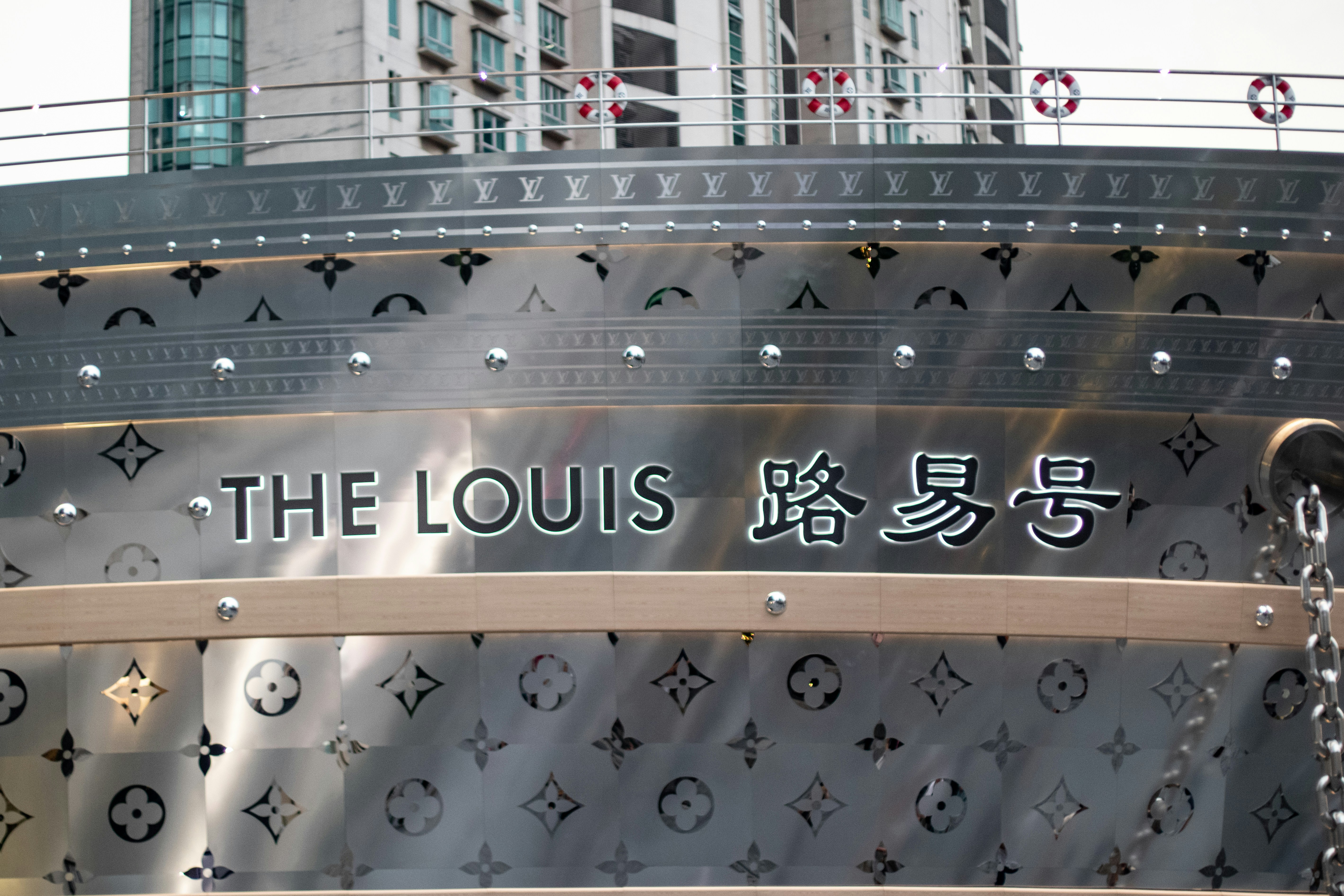
 THE LOUIS cruise liner installation makes a splash in Jing’an. (Image: Tangi Bertin)
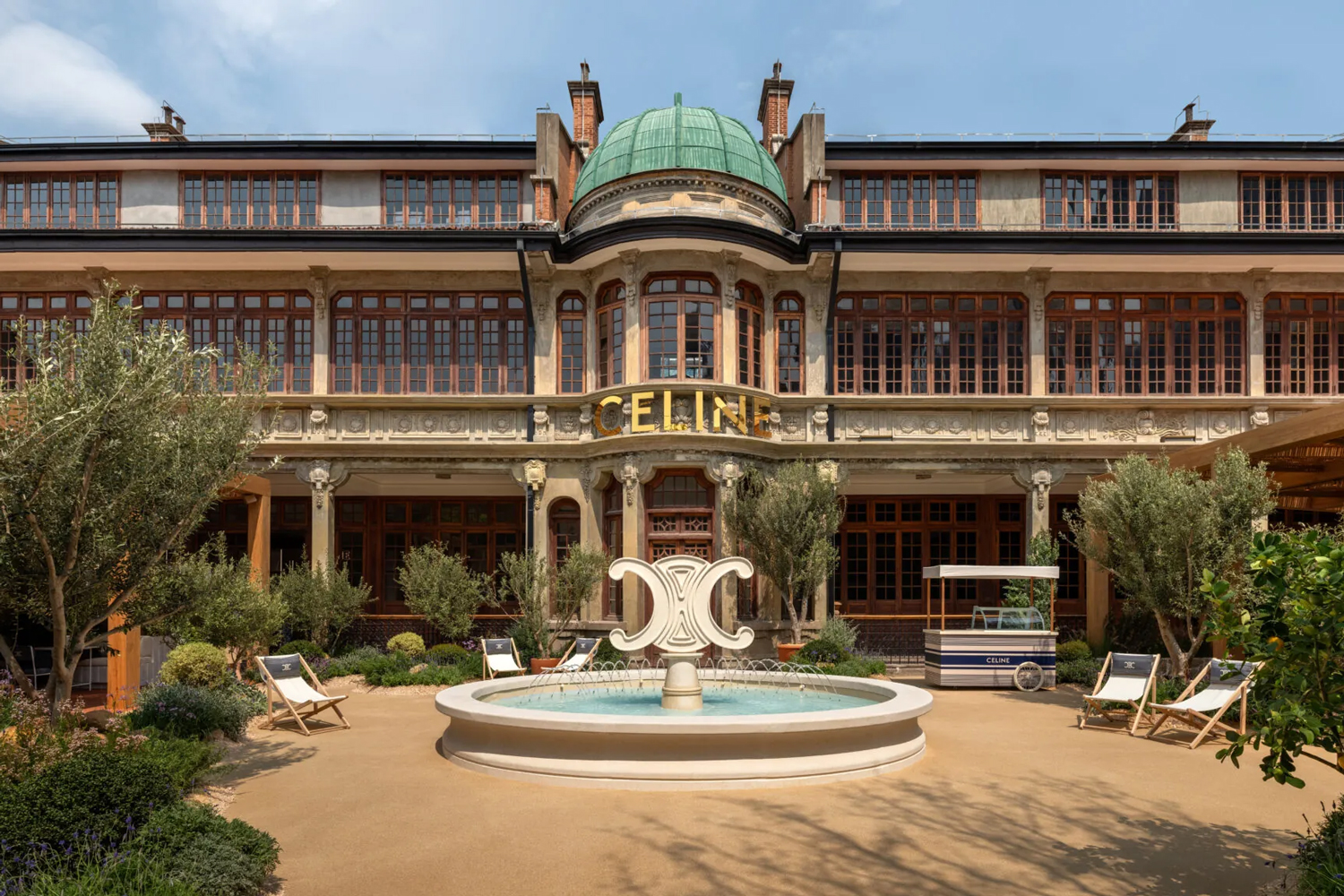 Celine’s exclusive French Riviera pop-up at Zhangyuan last summer. (Image: Weibo/Celine)

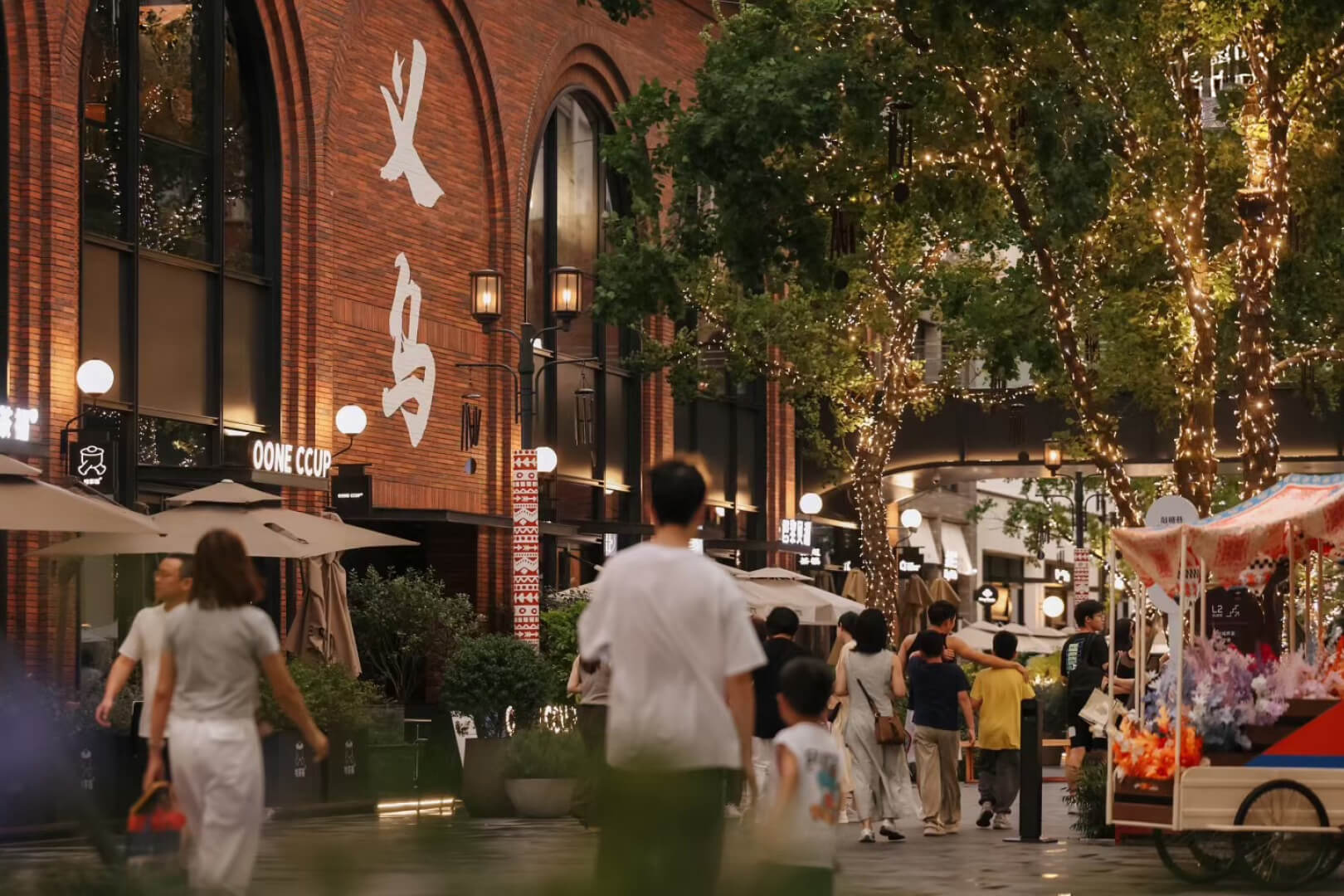 Yiwu Place
As China enters the 15th Five-Year Plan (2026–2030), the emphasis for commercial development is expected to shift from expansion to optimisation. Based on the themes emerging from the FYP including; higher-quality development; effective domestic demand; green transition; and governance transparency; the FYP signals the coming of age for commercial property development.
Building loyalty or manufacturing spectacle?
In recent years, the battle for consumer attention has escalated. Brands and operators have answered with bigger collaborations, more immersive pop-ups and ever more theatrical installations and launch moments. The results are as expected; traffic surges, social media spikes and a burst of visibility which works — but only for a moment.
While the FYP doesn’t put a stop to creative retail, it does change the lens on its effectiveness. The question is no longer whether spectacle attracts high footfall. It does. The question is whether it builds loyalty, stabilises income and strengthens long-term asset value.
THE LOUIS cruise liner installation makes a splash in Jing’an. (Image: Tangi Bertin)
Celine’s exclusive French Riviera pop-up at Zhangyuan last summer. (Image: Weibo/Celine)
A new measurement of place value.
The 15th FYP is expected to change the narrative on how commercial developments deliver value to investors, tenants, brands and consumers. Developers are already starting to reassess their commercial asset operations, services, design quality and environmental credentials in order to respond to the FYP’s shifts in place value metrics. Here are few shifts to expect:

Under the 15th FYP, scale alone is no longer evidence of quality. It’s not about more malls or more GFA anymore. Instead developers are encouraged to shift emphasis towards higher productivity metrics including:
Productivity and income durability are now becoming central to asset performance and priority for local governments.

The FYP prioritises effective domestic demand. This means tracking demand that is backed by real household income or based on a genuine need or consumption habit. The focus shifts away from subsidy-driven spikes and marketing-driven hype cycles which asks, “How many people came?” to a more sustainable place which asks, “How often do they return?” Metrics to track includes:
Stability, though harder to quantify, is now a strategic objective.

The FYP encourages coordinated development, urban renewal and livelihood improvement. Commercial projects are being evaluated not only within their red line but within their wider district context. Measures of value now include:
Assets that function as urban ecosystems rather than isolated retail islands are better aligned with policy direction.
Environmental performance and governance transparency are also expected to be big topics. ESG reporting is moving beyond just certifications towards measurable operational outcomes. Risk discipline and management maturity are increasingly part of value reporting which brings China in line with many international compliance standards.
The financial reality.
Sustainability and resilience are not new concepts. Most commercial developers already speak the language of placemaking and ESG. The challenge is cost.
Many assets built in the ‘expansion era’ were not designed for long-term ecosystem thinking. Retrofitting public realm, upgrading circulation, enhancing service culture, integrating digital systems and improving environmental performance requires sustained investment. Returns are often gradual, while capital pressures are immediate.
In this context, resilience feels like a luxury. Yet market signals are reinforcing the shift. Investors are scrutinising performance more closely. Tenants seek stronger operational platforms. Communities expect higher standards. The cost of adaptation may be significant, but the cost of inertia could be greater.
 WIDE HORIZON → INVESTING IN ECOSYSTEMS
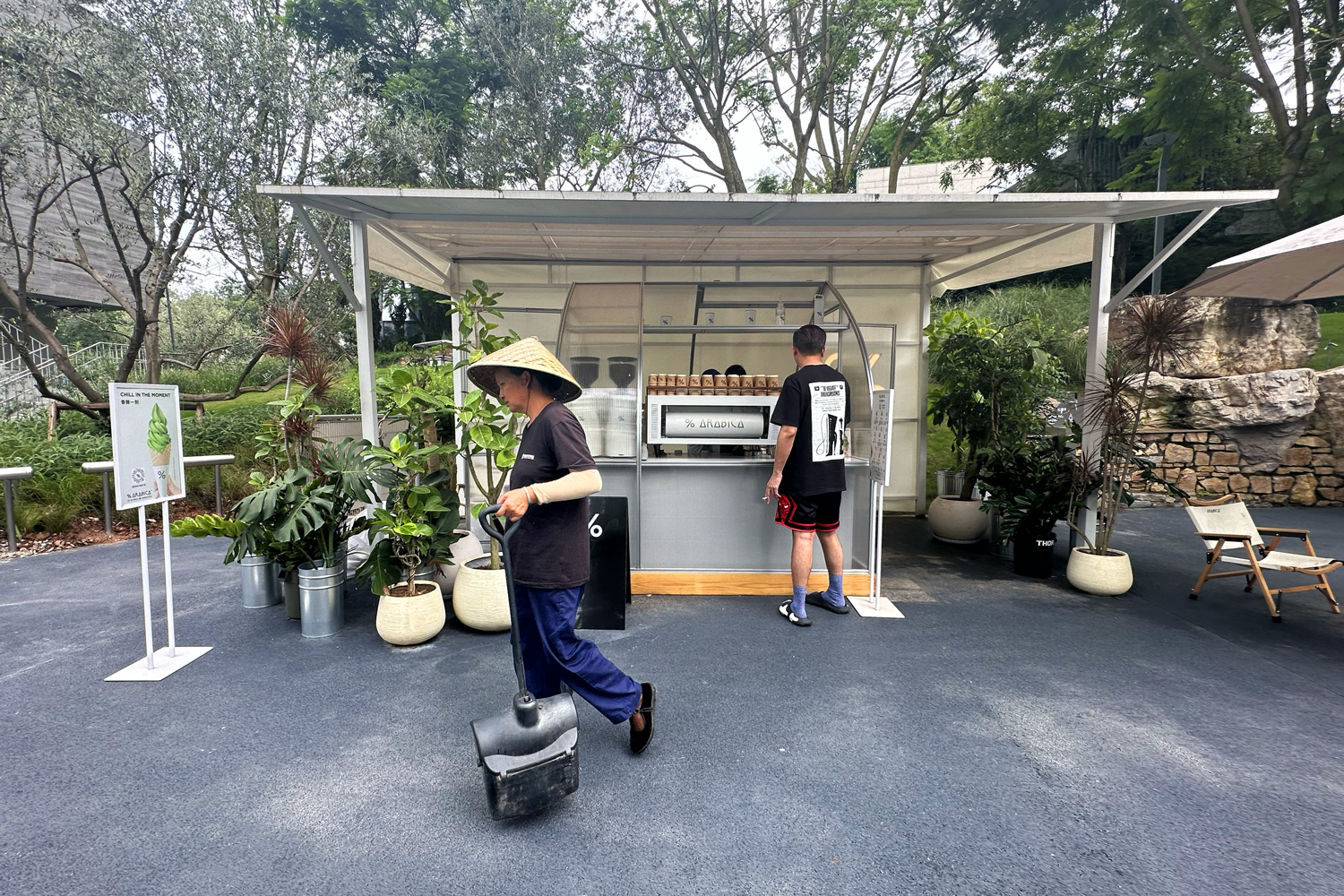
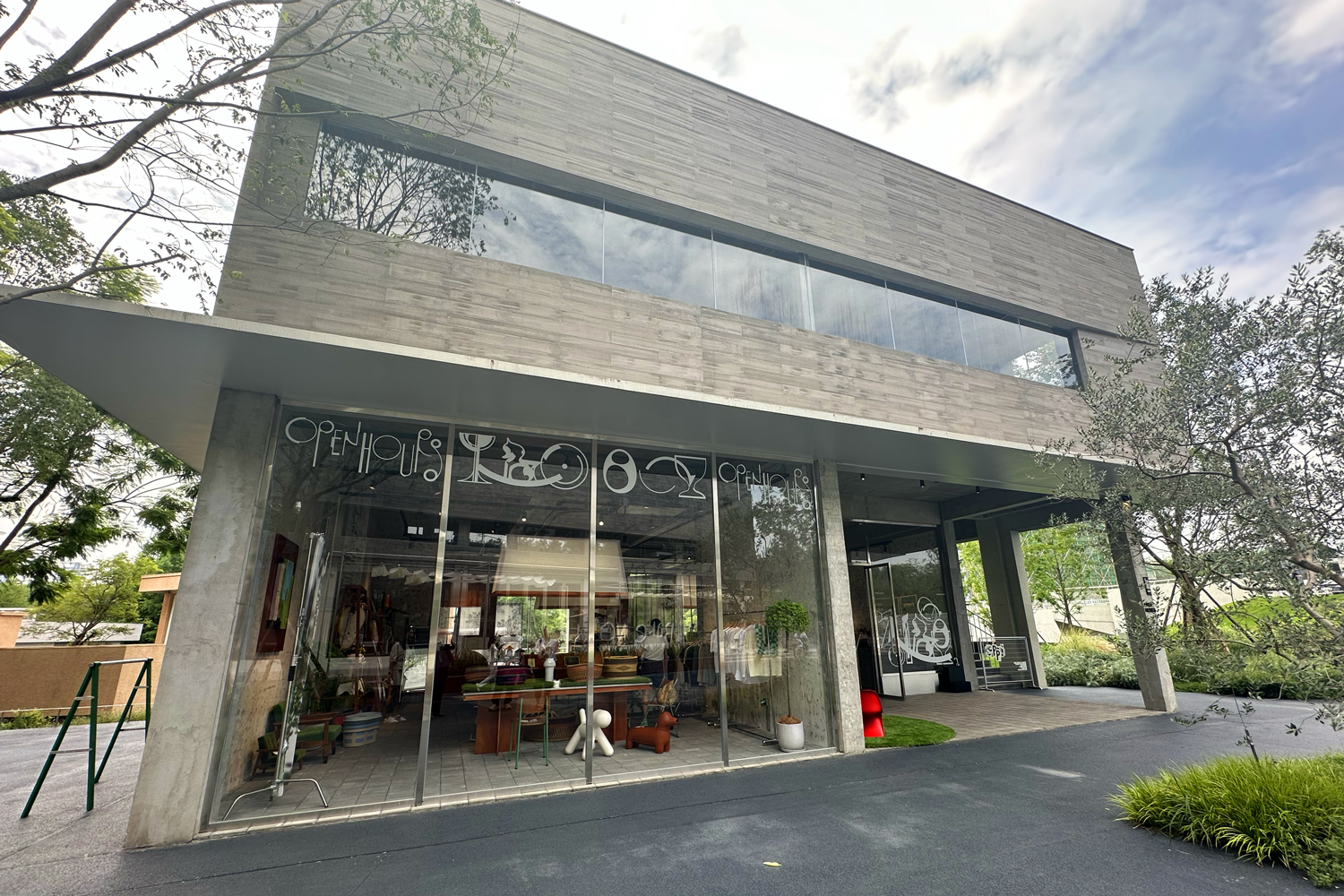
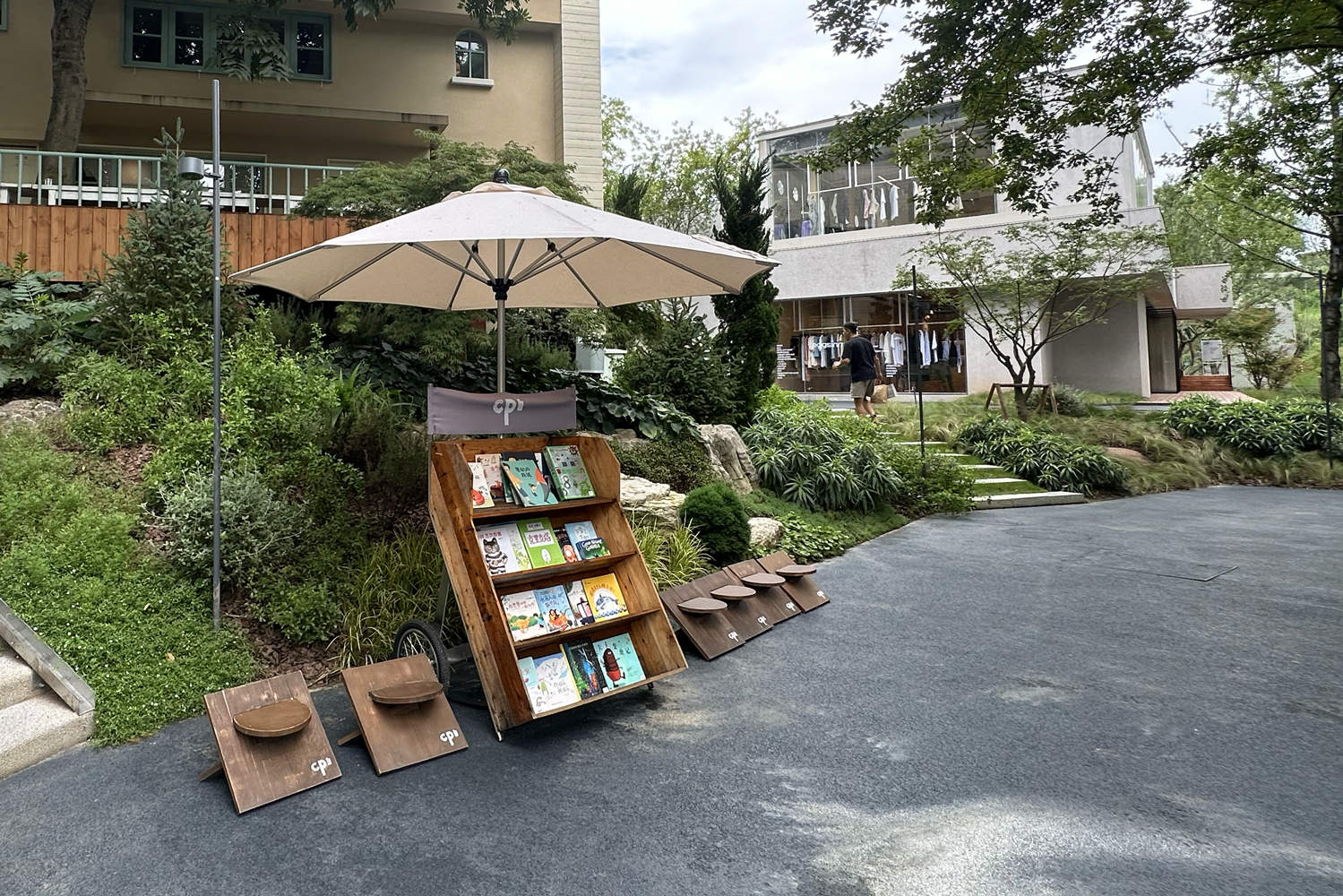
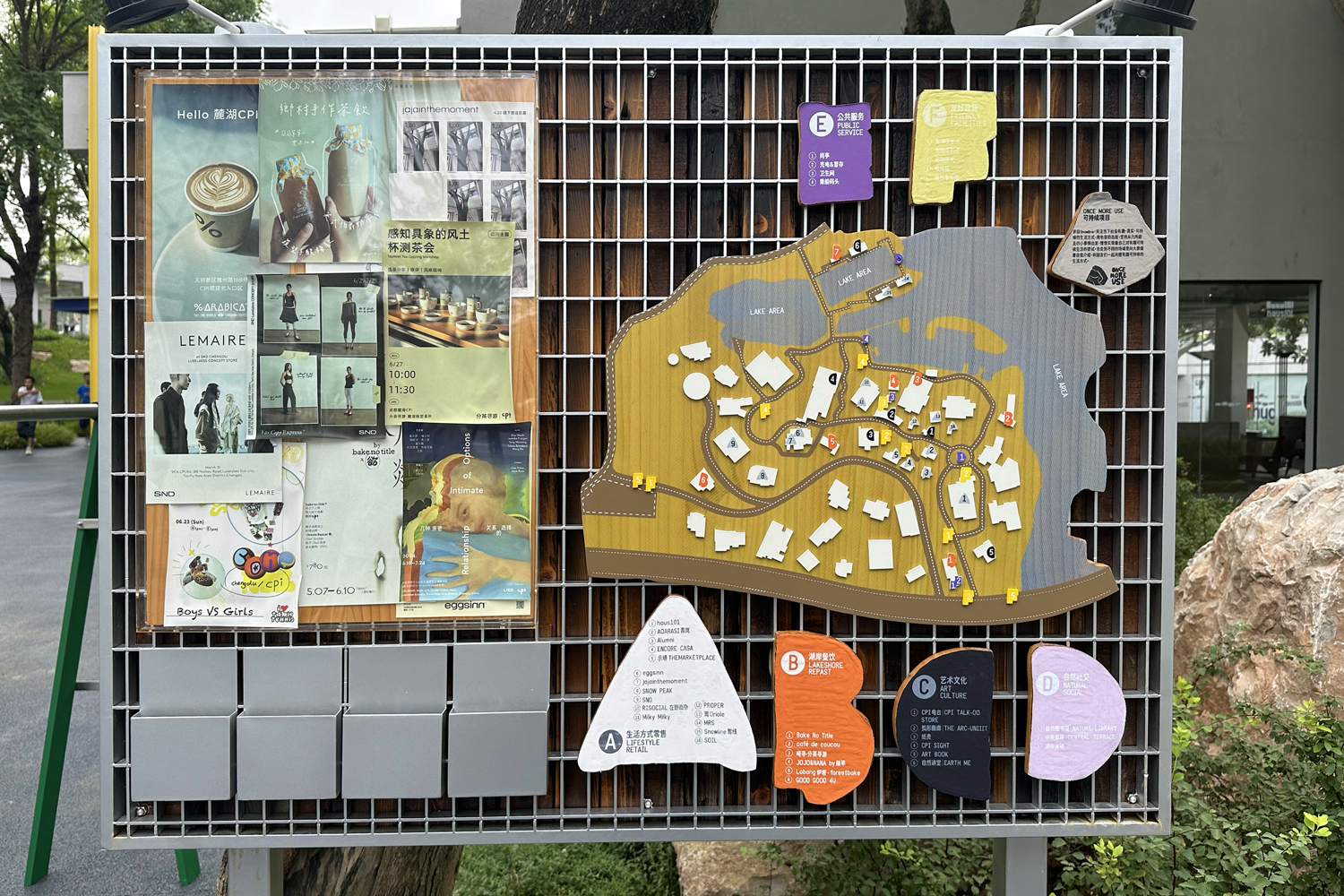
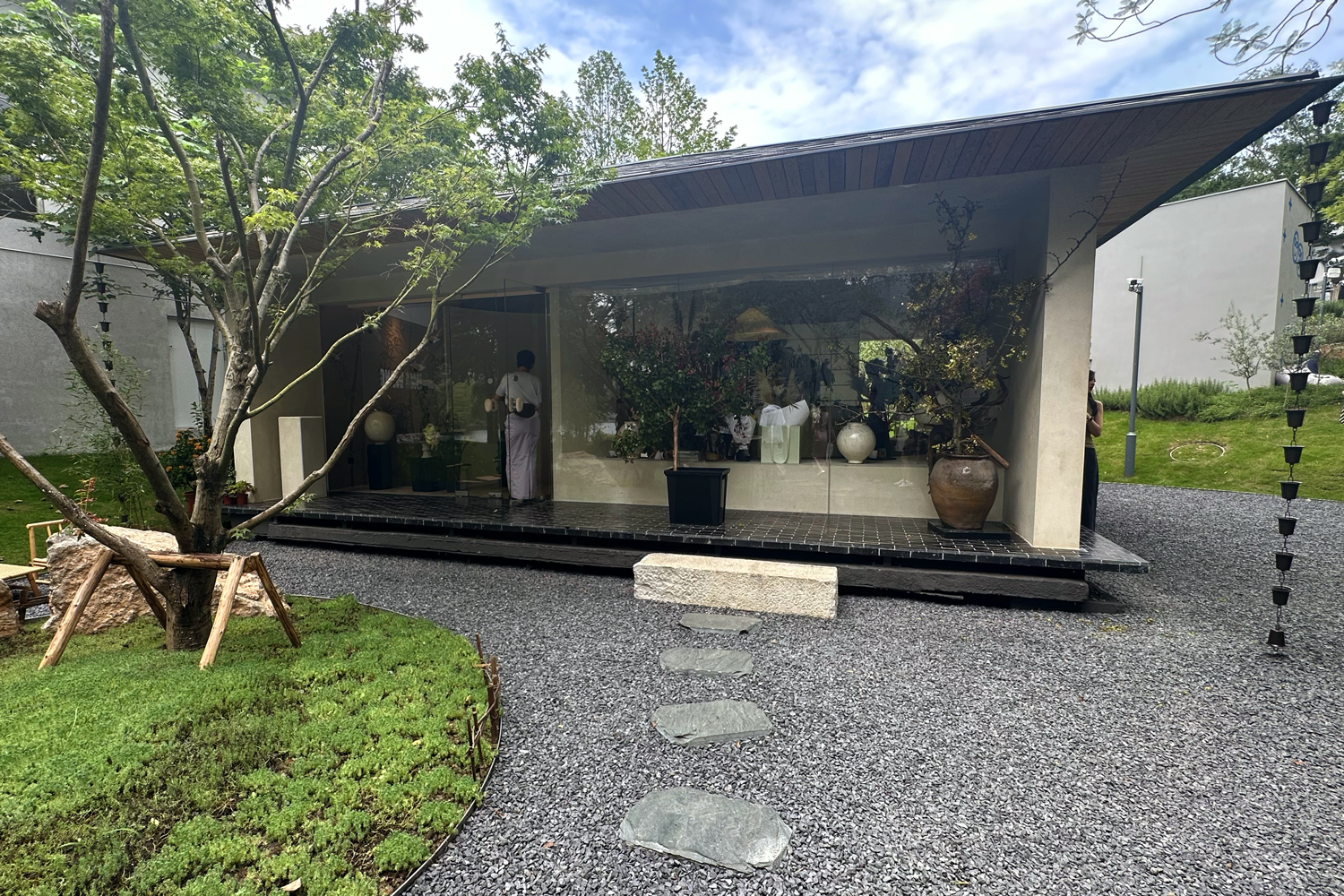
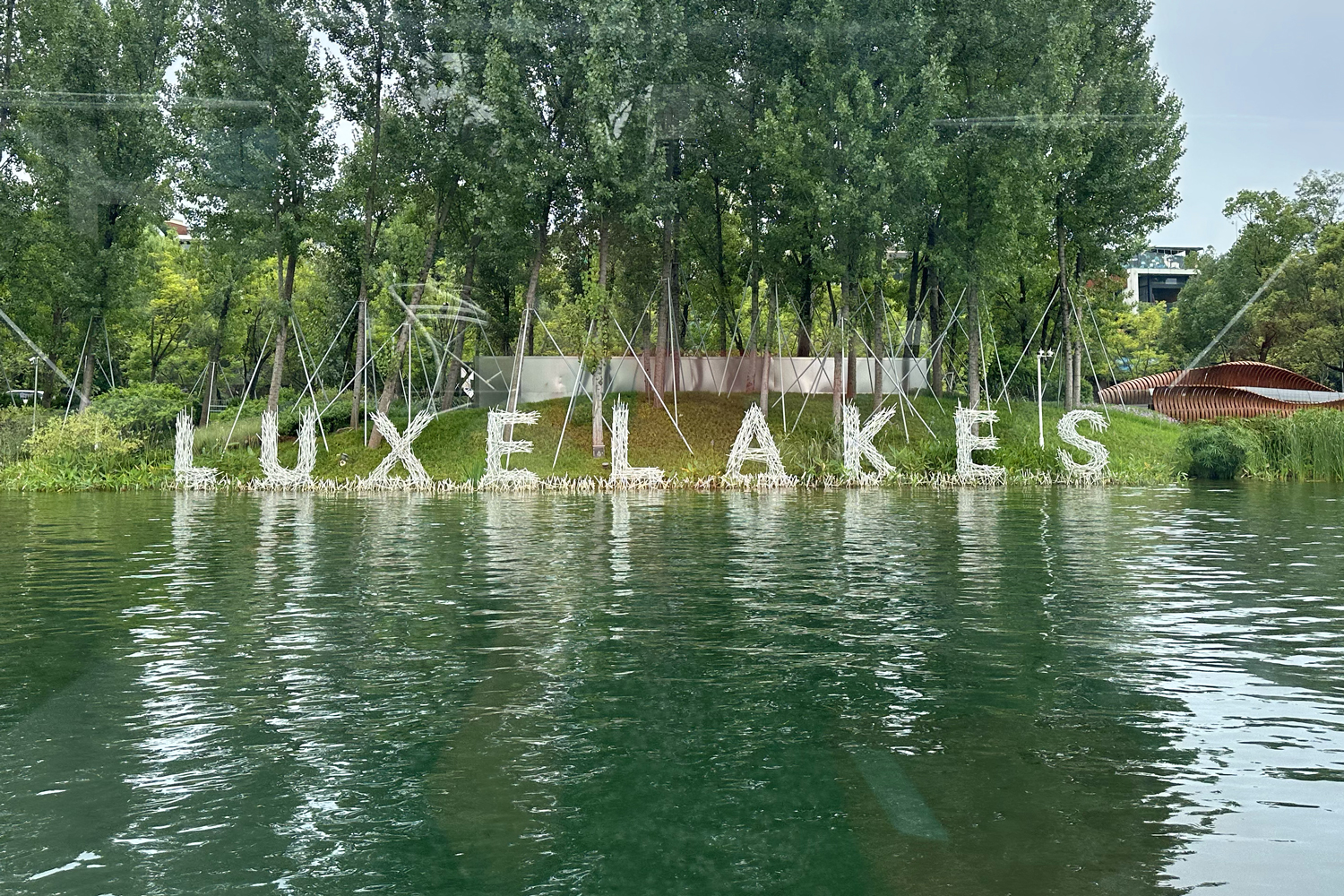
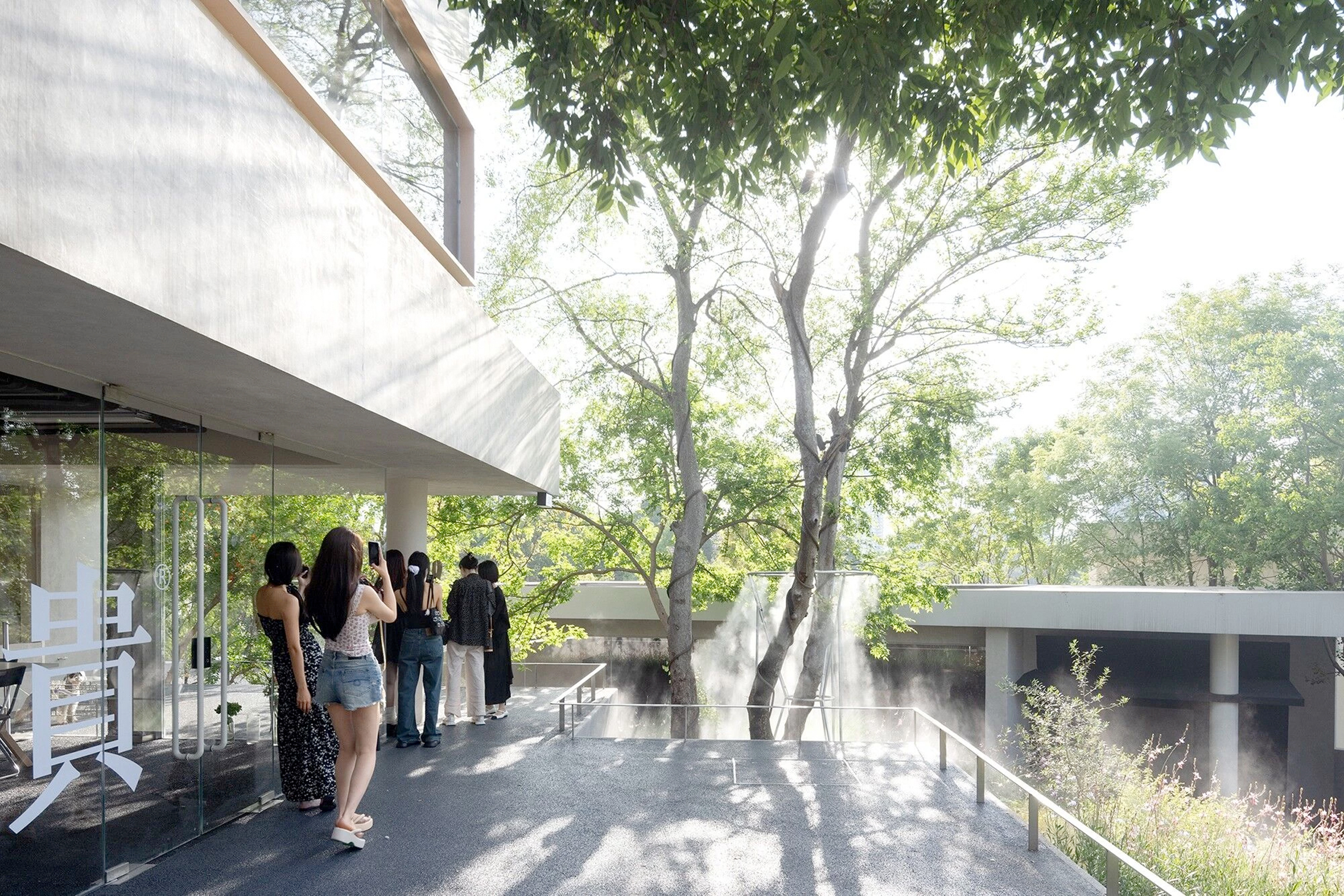 CPI Island at Luxe Lakes blends retail with nature. (Image: VARI Design)
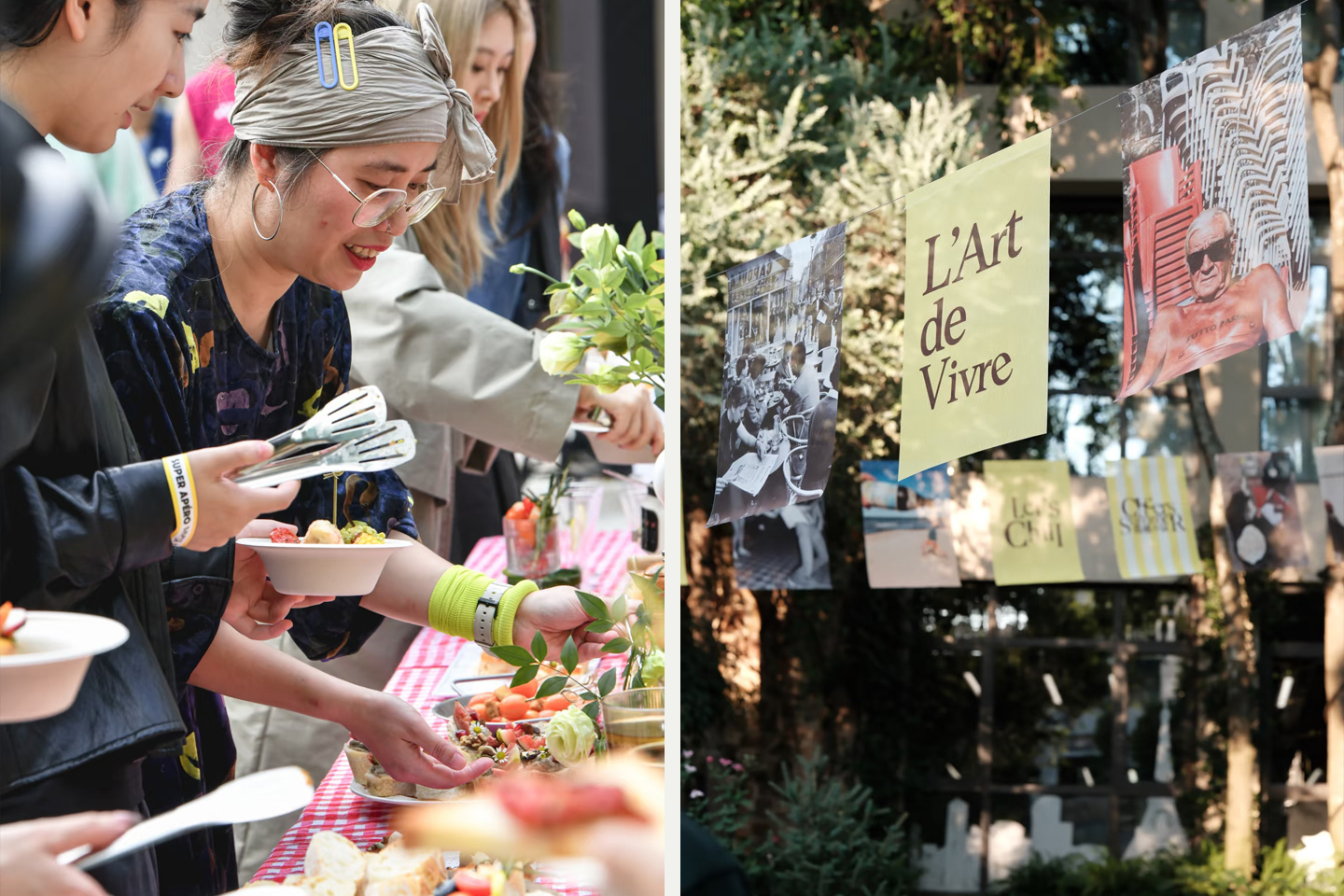 Luxetown fosters community participation and promotes the art of living. (Image: Luxetown)
Wide Horizon’s developments in Chengdu, including Luxe Lakes and Luxetown, reflect a long-standing commitment to building integrated urban ecosystems rather than standalone commercial assets.
At Luxe Lakes, the strategy begins with infrastructure. Spanning over five square kilometres, the district preserves a significant proportion of land for lakes, parks and open space. Residential, commercial, business and leisure uses are carefully interwoven, with public realm and walkability shaping the rhythm of everyday life. Retail is not confined to a single enclosed core but integrated along streets, waterfront paths and neighbourhood routes, allowing commerce to unfold naturally within daily routines. Living, working and recreation reinforce one another, encouraging slower movement, longer dwell time and stable, repeat visitation rather than episodic traffic spikes.
Nearby Luxetown extends this philosophy through culture and community participation. Guided by the mantra L’Art de Vivre, it fosters a strong sense of belonging through resident-led clubs, arts programming and curated lifestyle offerings. Public spaces are designed not only for consumption but for gathering, creativity and shared identity.
Across both projects, Wide Horizon’s approach is consistent: plan holistically, embed environmental and social infrastructure from the outset, and design places where community life sustains commercial vitality. It is an ecosystem model that prioritises durability, participation and long-term value.
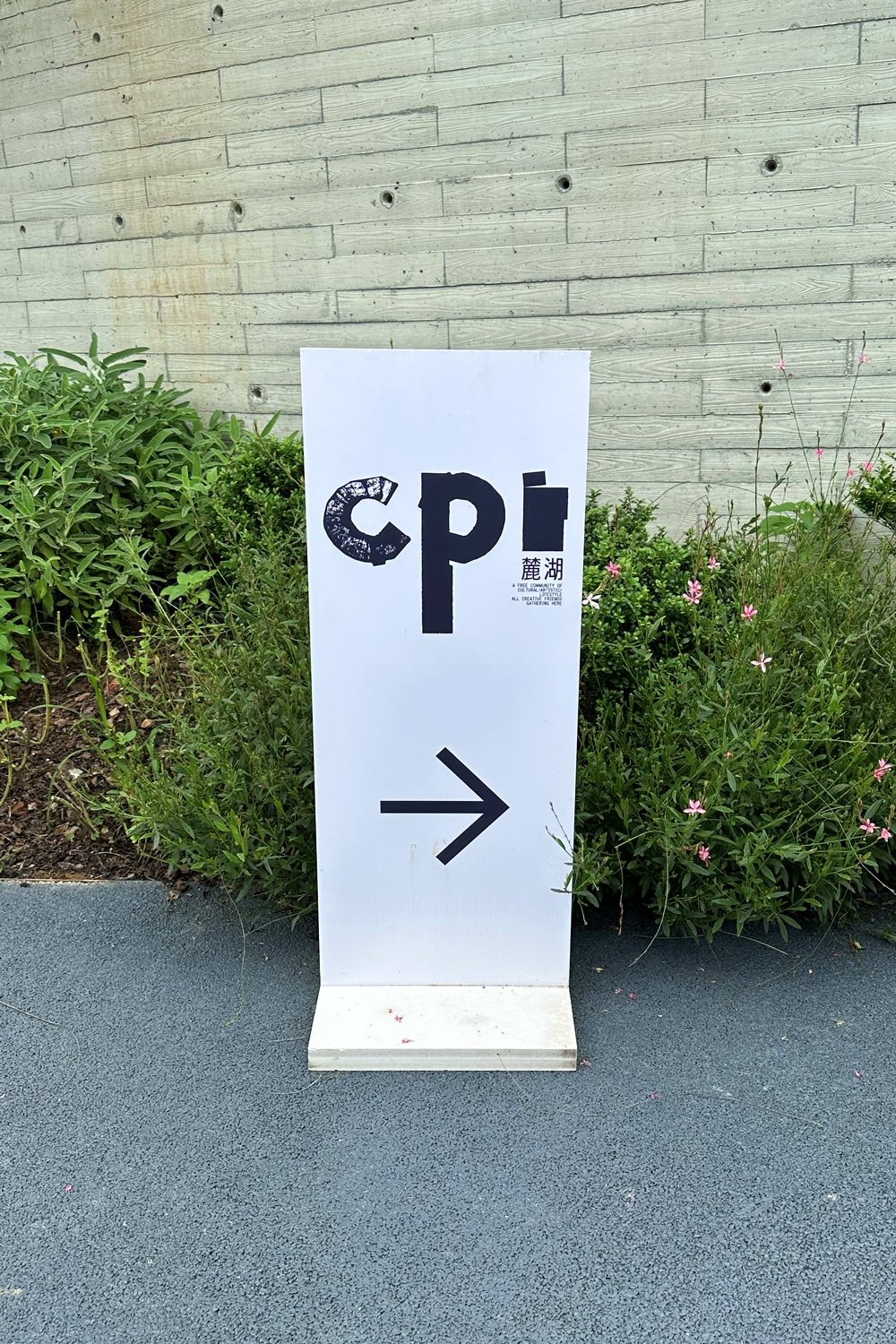 CPI Island – Luxe Lakes
The way forward
The 15th FYP does not diminish opportunity for commercial and mixed-use development. It redefines success.
For developers, the priority is increasingly clear: strengthen operational coherence, embed environmental performance, align with real demand and articulate a credible long-term place vision.
As policies translate into measurable expectations, place strategy and experience frameworks become strategic tools rather than marketing accessories.
…
JWDK has supported commercial developers in China for over 25 years. In the upcoming FYP cycle, place visioning, brand positioning and experience design are more closely linked to asset performance than ever before.
The conversation is no longer about creating attention. It is about building places that endure.