INSIGHT

The “Fifth Consumption Era” and the curious rise of doing things

For decades, the retail industry has focused on helping consumers buy more. But what happens when consumers decide they would rather spend their time than simply spend their money?

From running clubs and citywalk communities to cultural destinations and creative experiences, a new pattern of behaviour is emerging across China. The “Fifth Consumption Era” offers a useful lens through which to understand this shift—and what it means for the future of retail destinations.

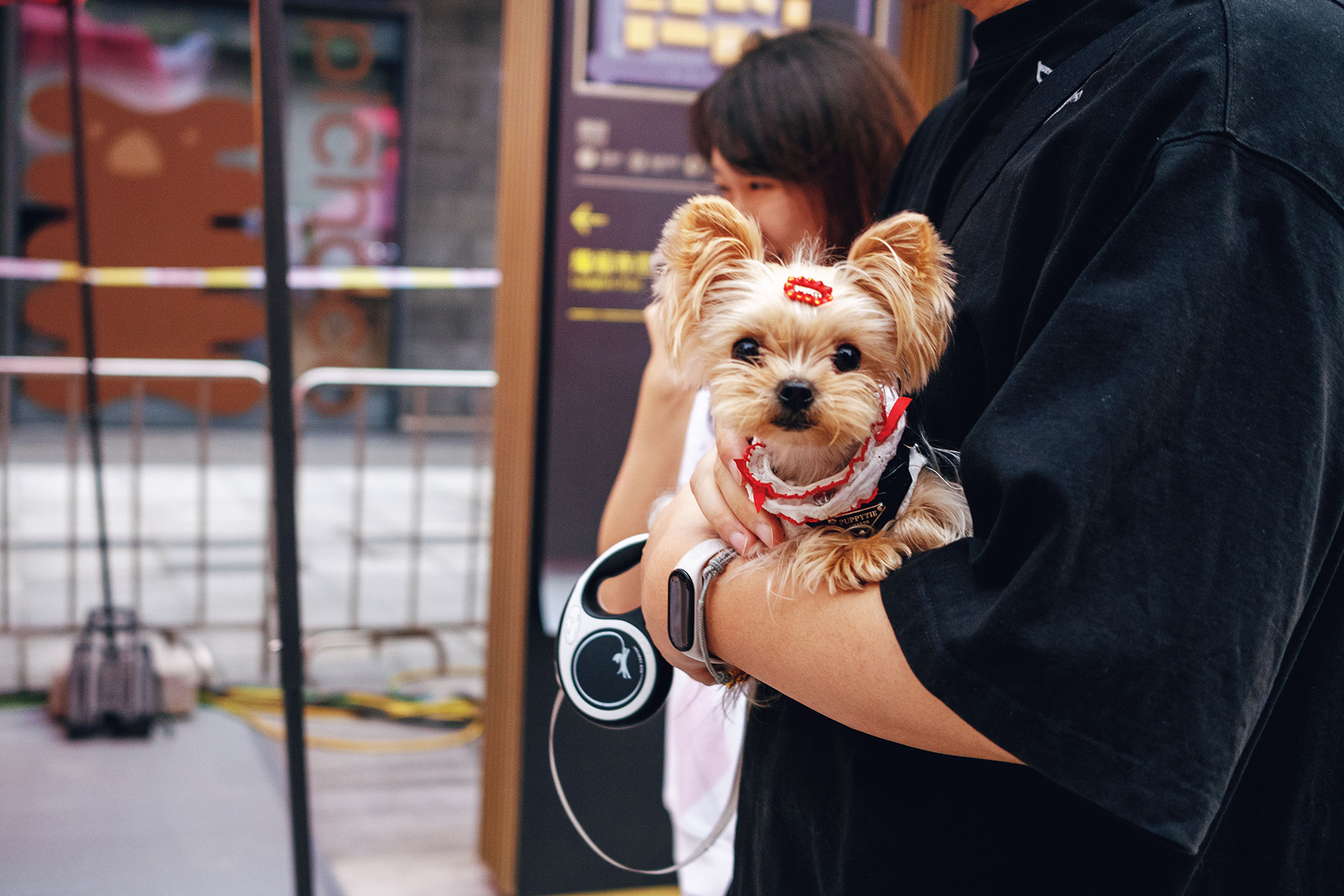
Pet communities are flourishing across China, creating a sense of belonging and companionship for owners while giving brands a more authentic role within consumers’ lifestyles.

For most of human history, shopping was straightforward. You bought what you needed, and if you had any money left over, you bought something you didn’t. Economic progress largely consisted of expanding the second category.

Japanese social researcher Miyao Tomohiro proposed that consumer societies evolve through a series of distinct eras. First comes necessity. Then quality. Then status.

Eventually, much like the law of diminishing returns, something curious begins to happen. People start buying less stuff and wanting more out of life. Miyao called this the “Fifth Consumption Era,” which was recently analysed in a Chinese book of the same name, 《第五消费时代》.

Miyao’s theory describes the point at which material abundance begins to lose its glamour and consumers shift their attention towards experiences, fulfilment, belonging and meaning. After all, there are only so many handbags, watches or kitchen appliances a person can buy before the thrill of acquisition is overtaken by the practical question of where on earth to put them.

Whilst the theory was developed to explain post-war Japan, it feels increasingly relevant to China today.

After four decades of remarkable economic growth, China has become one of the world’s most sophisticated consumer markets. Yet as consumers grow wealthier, many are also becoming harder to impress. The promise of “more” no longer carries the same magic it once did.

This presents a challenge for retailers, developers and brands who have spent years operating on the assumption that consumers are perpetually hungry for another product, another store or another luxury experience.

Increasingly, they are not asking what they should buy next. Instead, they are asking what they should do next.

 

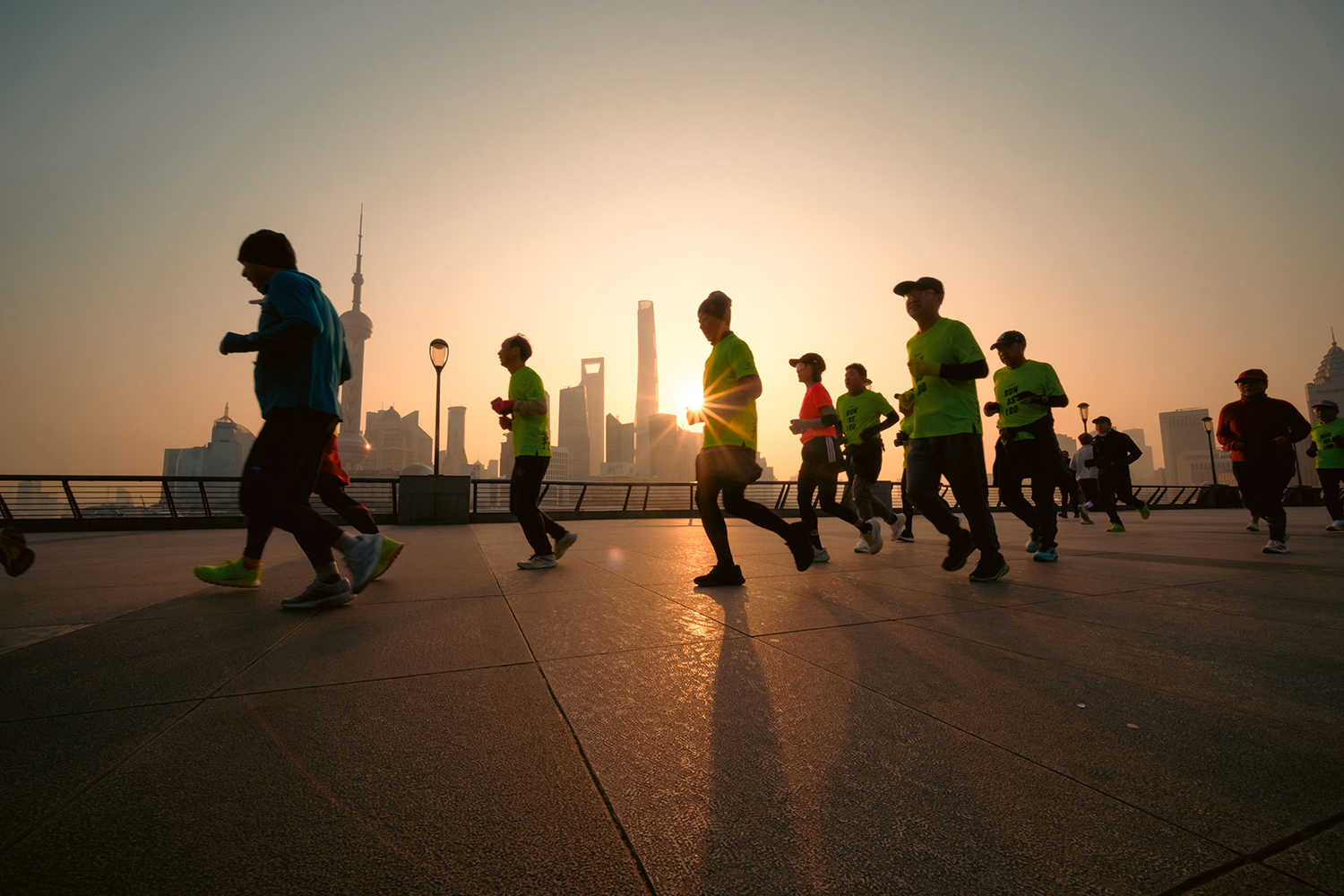
Running culture creates opportunities that extend far beyond the sale of sportswear and equipment.
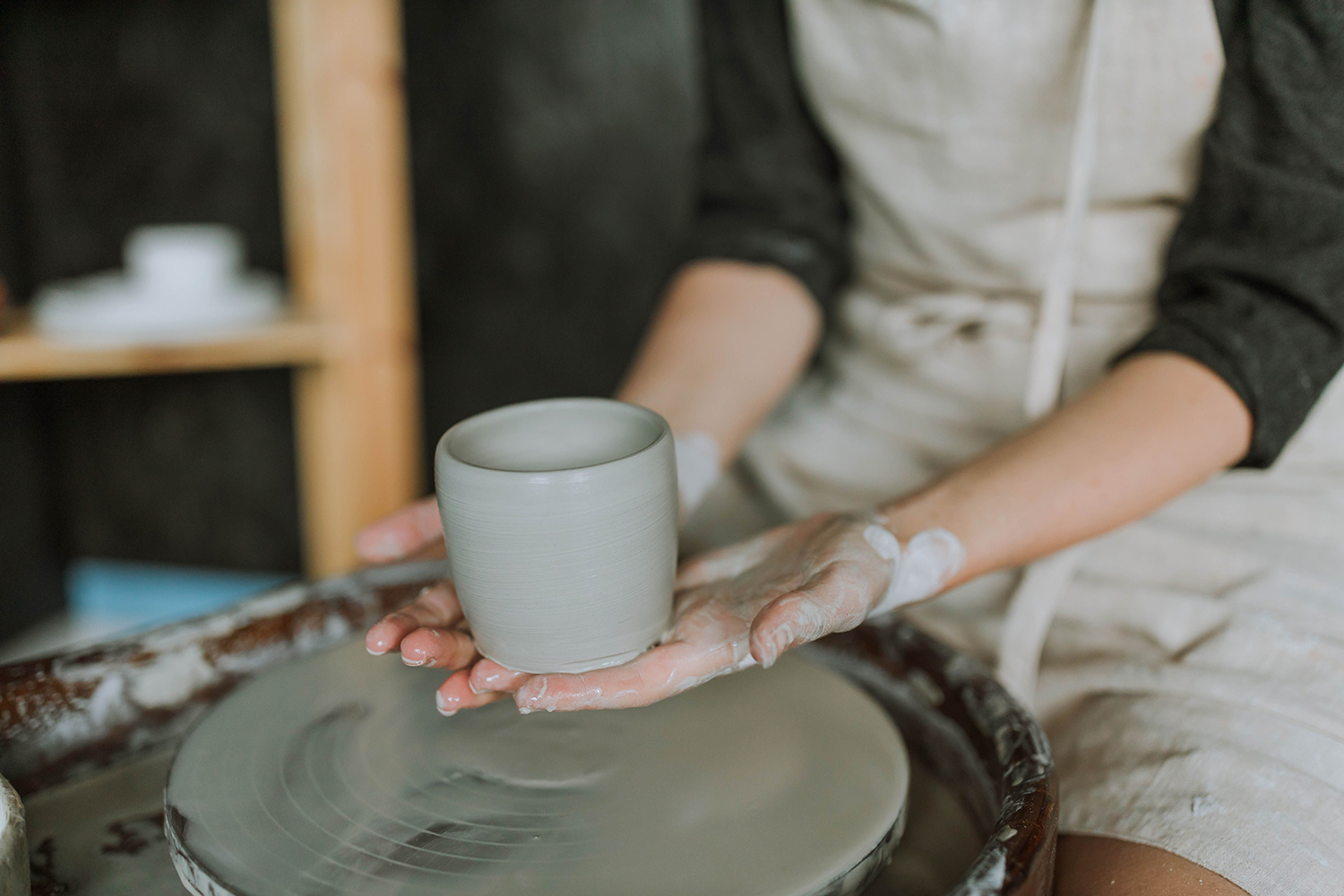
The experience of making a product often generates more value than the product itself.

Why the “Fifth Consumption Era” matters in China

China is not Japan, and predictions based on historical parallels should always be handled with care. Economic forecasts are notoriously unreliable, particularly when comparing different countries and generations. Yet the similarities are difficult to ignore.

Across China’s major cities, consumers appear to be shifting away from purely transactional forms of consumption towards experiences that offer emotional, social or cultural rewards.

The fastest-growing forms of consumption are often those that leave little behind except memories, photographs and an inexplicable desire to tell other people about them. Wellness retreats, cultural tourism, hobby communities, outdoor recreation, creative workshops and immersive experiences are attracting attention precisely because they offer something products alone cannot—participation.

Occupying your time seems to pay rich rewards, which is why the modern consumer increasingly wants to be part of the story rather than simply own a souvenir from it. This is particularly visible among younger generations, for whom consumption is often less about displaying wealth than expressing identity. A rock climbing club, a patisserie class or a niche cultural festival can communicate as much about a person’s values as any luxury purchase.

The irony is that as China has become richer, consumption has become less material. Yet people are still spending. They are simply spending more of their money on things that are valuable precisely because they cannot be owned.

For many people, sport provides a greater sense of achievement than the workplace.
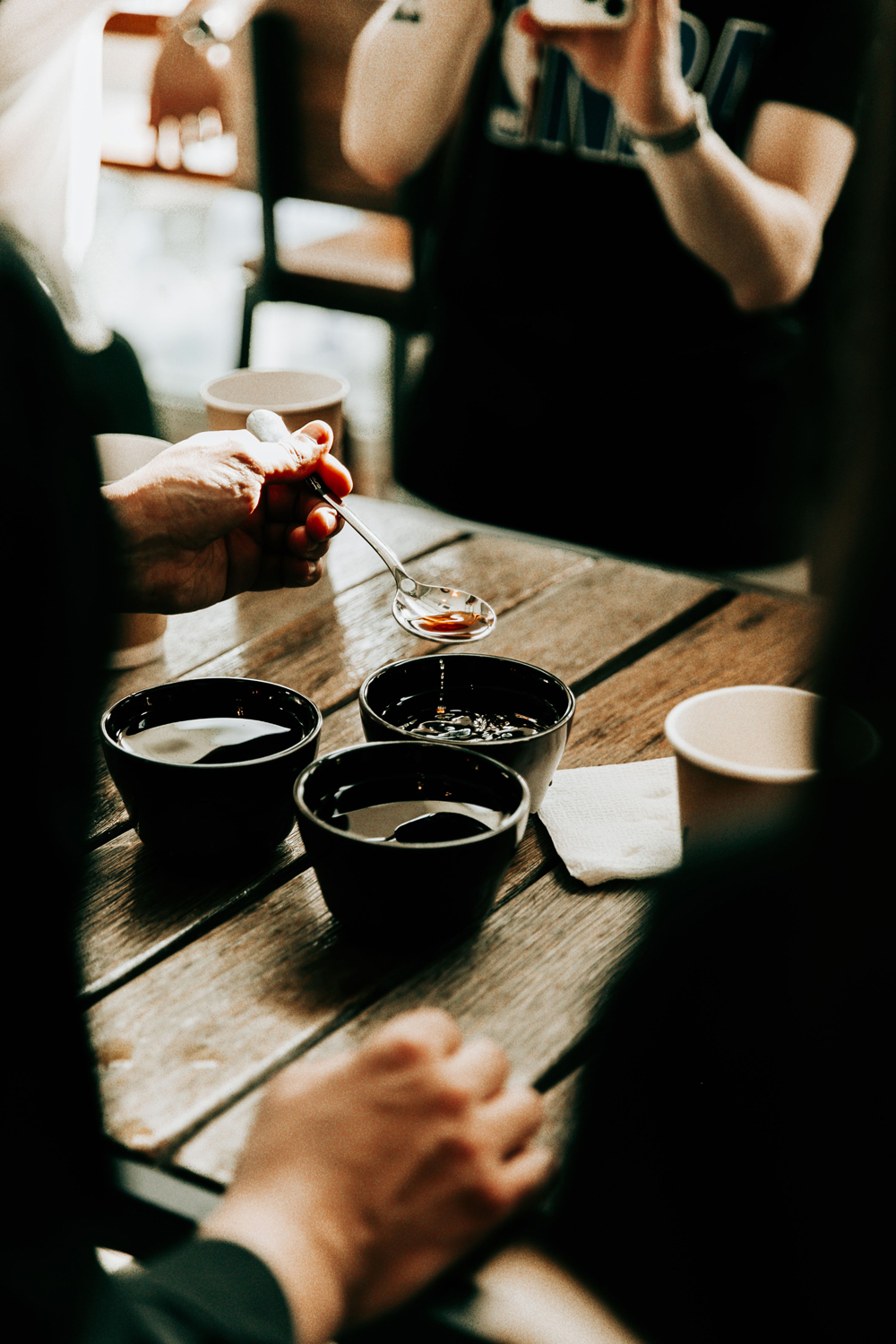
Coffee cupping and tasting clubs create more knowledgeable consumers who, in turn, seek out higher-quality products and experiences.
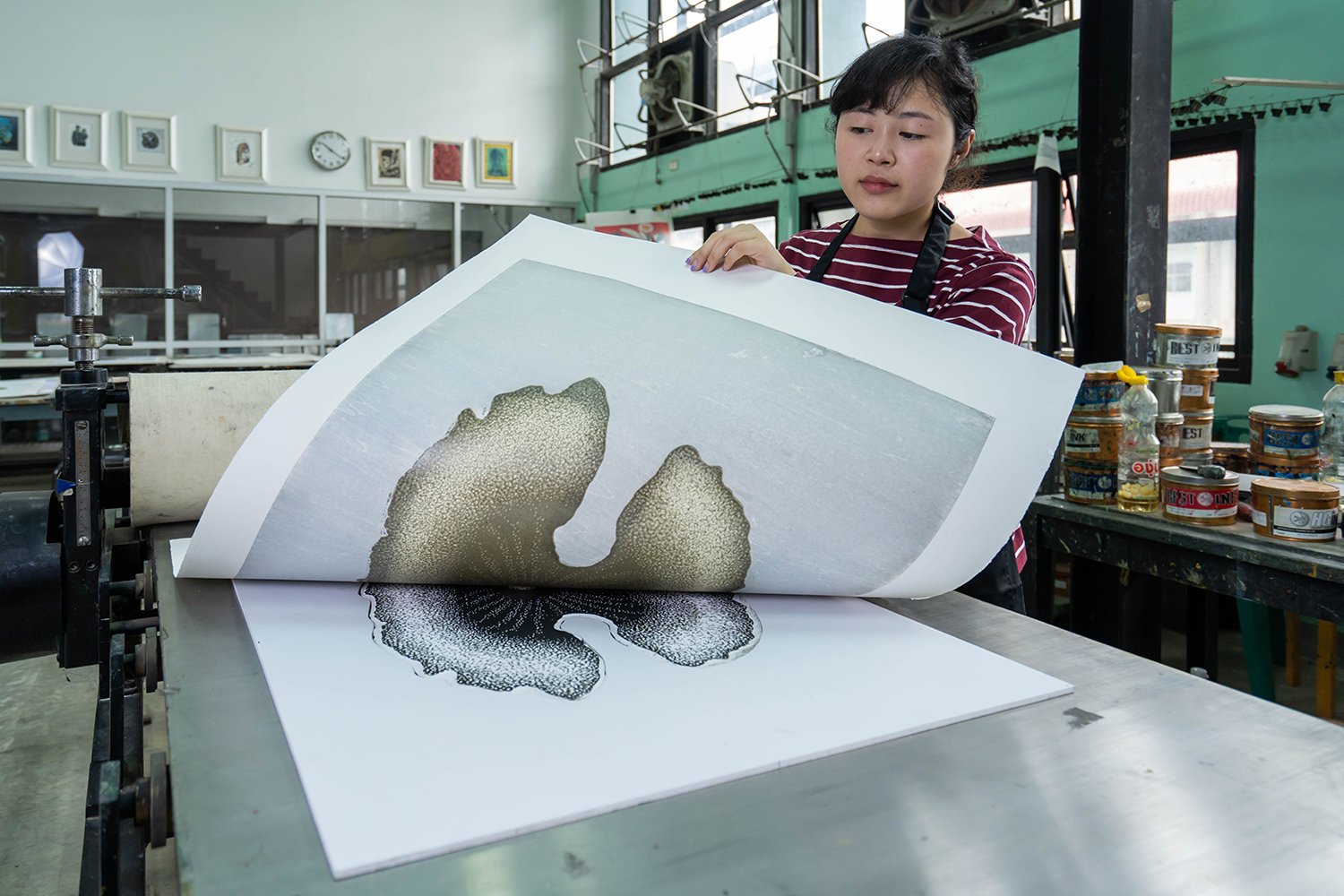
Creative workshops offer consumers a sense of learning, achievement and self-expression.
The curious rise of doing things

One clue to the future can be found in a surprisingly inconvenient activity. Running.

For decades, retailers worked on the reasonable assumption that consumers visited places in order to buy things. Then thousands of people began waking up at six in the morning to jog around Shanghai in matching T-shirts.

Brands such as Nike, Lululemon and On have discovered that the most valuable thing they can offer consumers is not necessarily a better product. It is a better reason to leave the house.

The same pattern appears across China’s cities. High-impact exercise clubs, citywalk communities, cycling collectives, camping groups, pottery workshops and coffee appreciation circles are attracting large and loyal followings.

This would have puzzled retailers twenty years ago. Consumers were supposed to spend their weekends shopping. Instead, they are hiking up mountains, learning new skills and gathering around shared interests.

What they are buying, if buying is still the right word, is not simply a product but access to a story, a skill, a routine and a sense of identity.

This shift is beginning to reshape physical destinations as well. Some of the most interesting venues in China no longer fit neatly into traditional categories. They are part retail, part entertainment, part cultural venue and part public living room.

People still buy things, of course. But increasingly, the shopping is there to support the experience rather than the other way around.

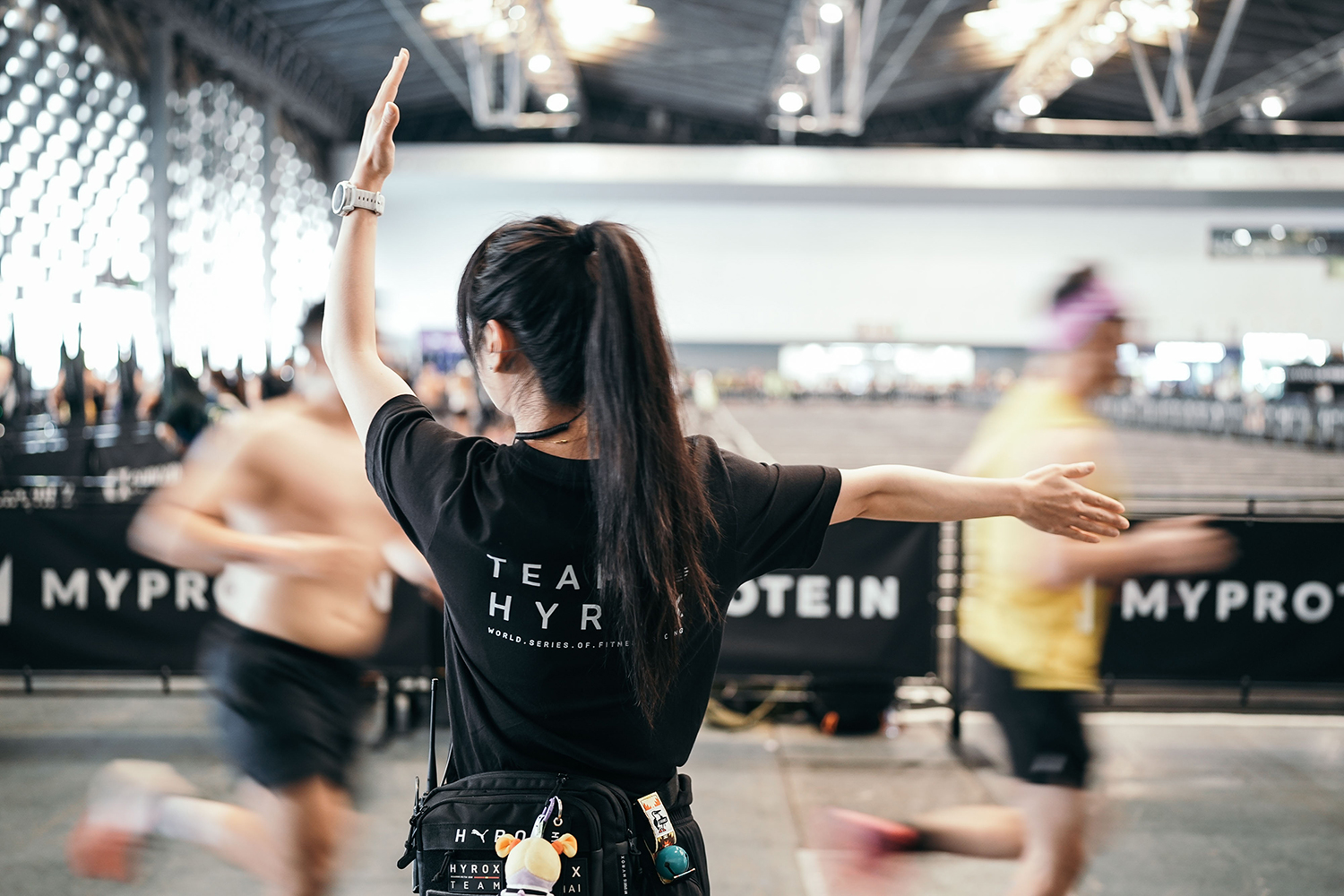
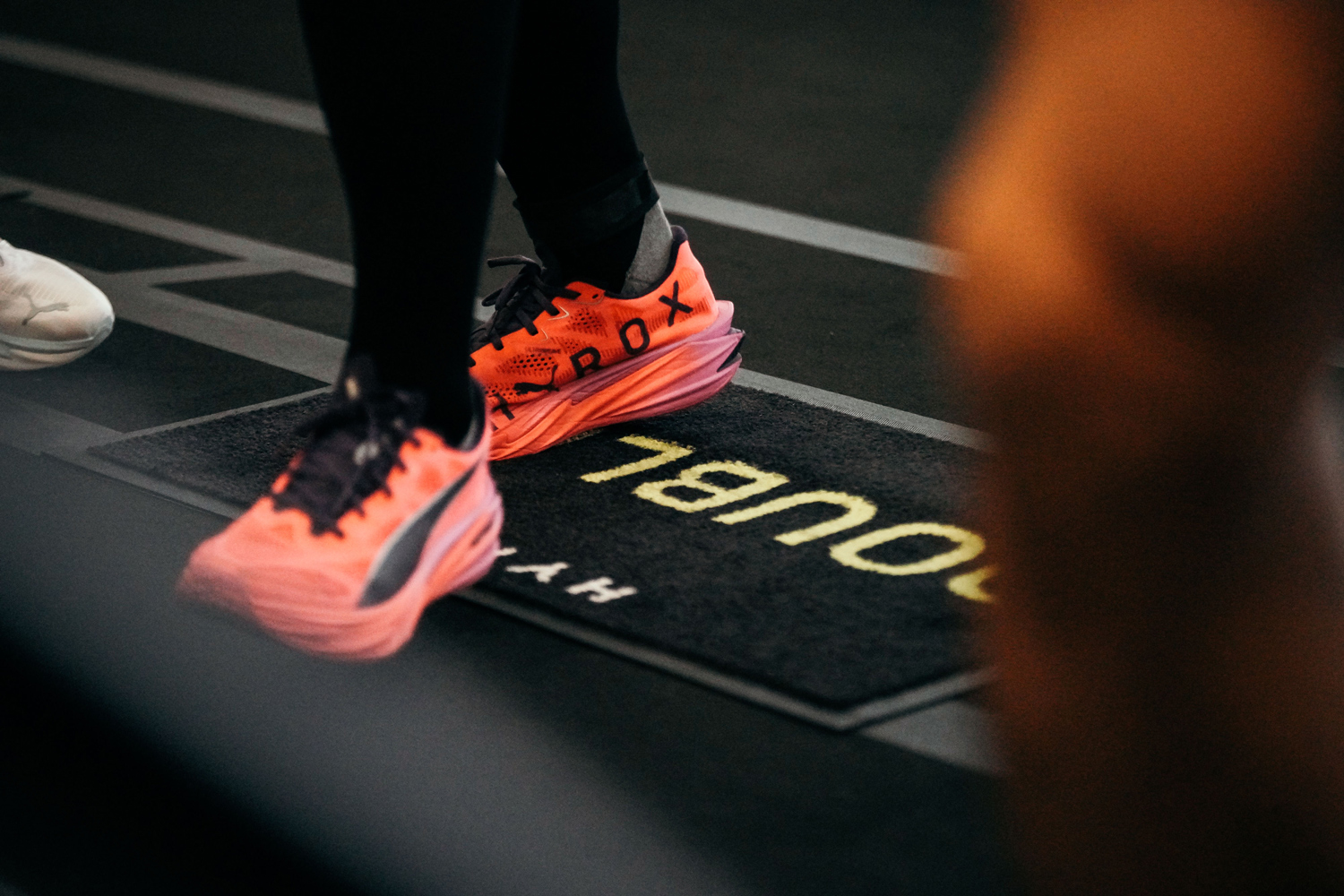
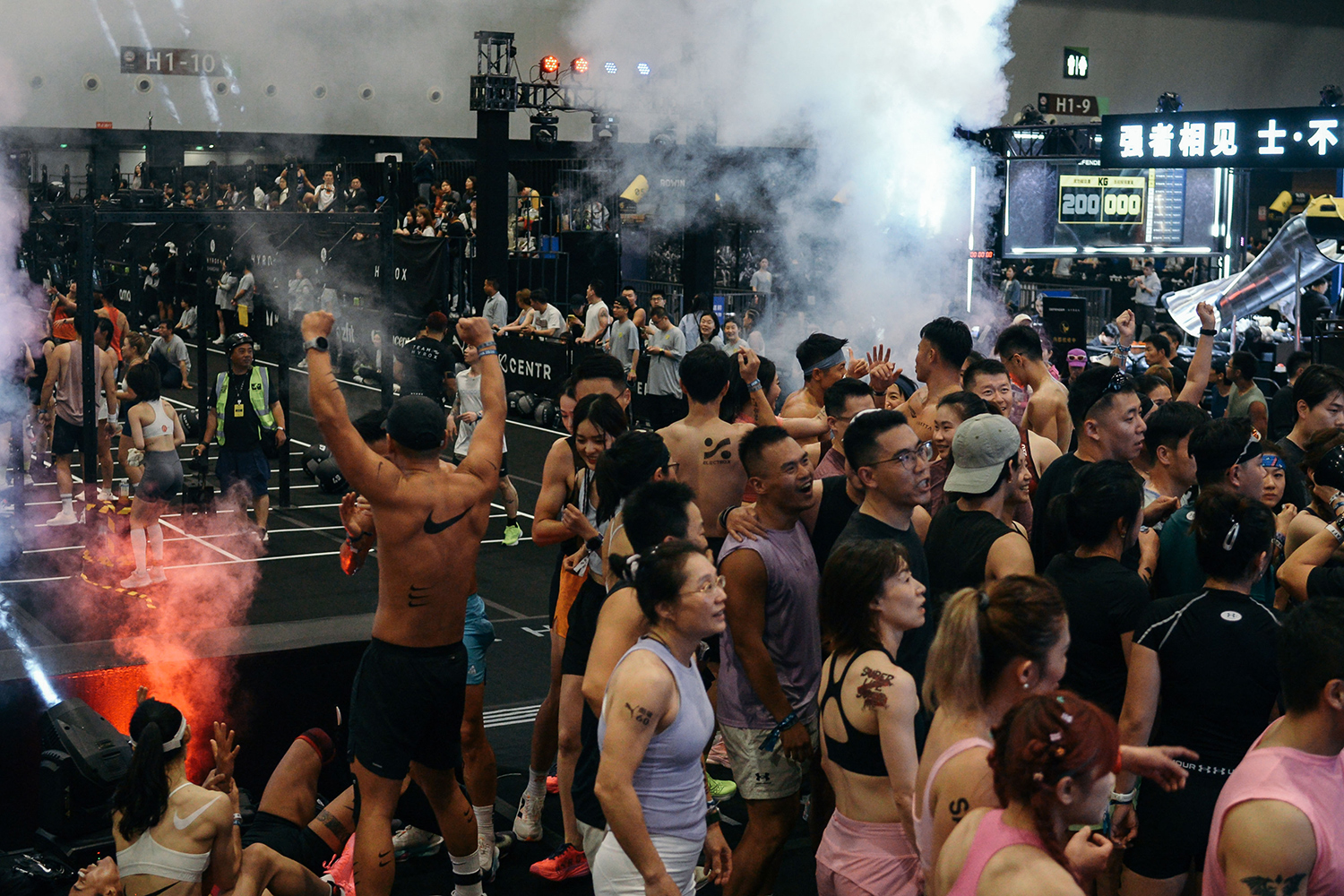
HYROX transforms fitness into a shared experience of challenge, achievement and participation.
Brands are most effective when they support the experience rather than dominate it.

What this means for retail destinations

For developers, operators and retailers, this presents an uncomfortable possibility.

For years, success was measured through a relatively straightforward formula: attract consumers, maximise transactions and encourage them to stay a little longer than they intended. Many places still operate on this logic today.

But if consumers increasingly value participation over possession, then the role of physical destinations begins to change. The question is no longer how many people visit. It is why they return.

Consumers can buy almost anything from almost anywhere. What remains scarce are experiences that create connection, identity and belonging.

The most successful destinations of the coming decade may therefore look less like collections of stores and more like platforms for participation. Places that help people learn, create, connect, discover and contribute.

This does not make retail less important. Quite the opposite. It means retail increasingly succeeds when it becomes part of a larger experience rather than the experience itself.

In China’s Fifth Consumption Era, people are not merely looking for somewhere to spend their money. They are looking for somewhere to spend their time.

Book source: Miura Atsushi, The Fifth Consumption Era: Future Business in an Era of Population Structure Transformation (《第五消费时代:人口结构重塑下的未来商业》), 2024.

As China’s consumers redefine what creates value, retail destinations must do the same. JWDK helps developers and operators create places that remain relevant in a changing consumer landscape.