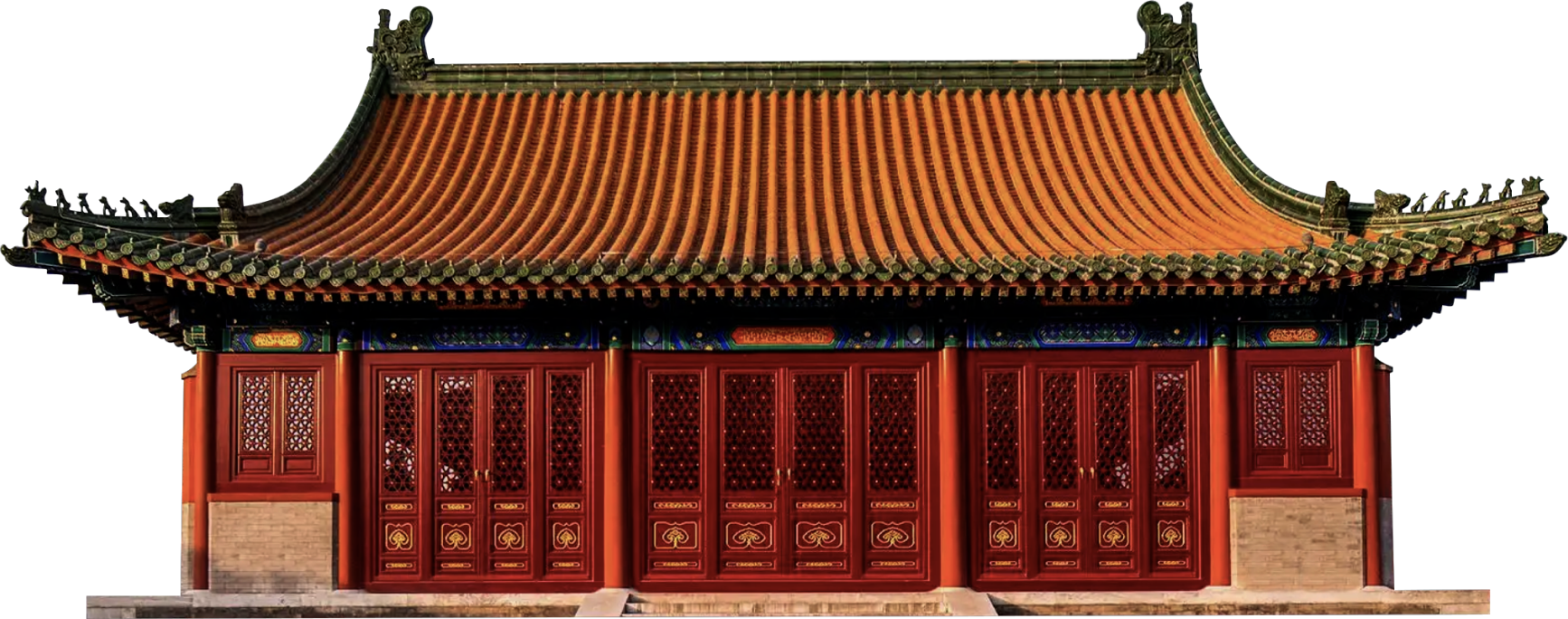

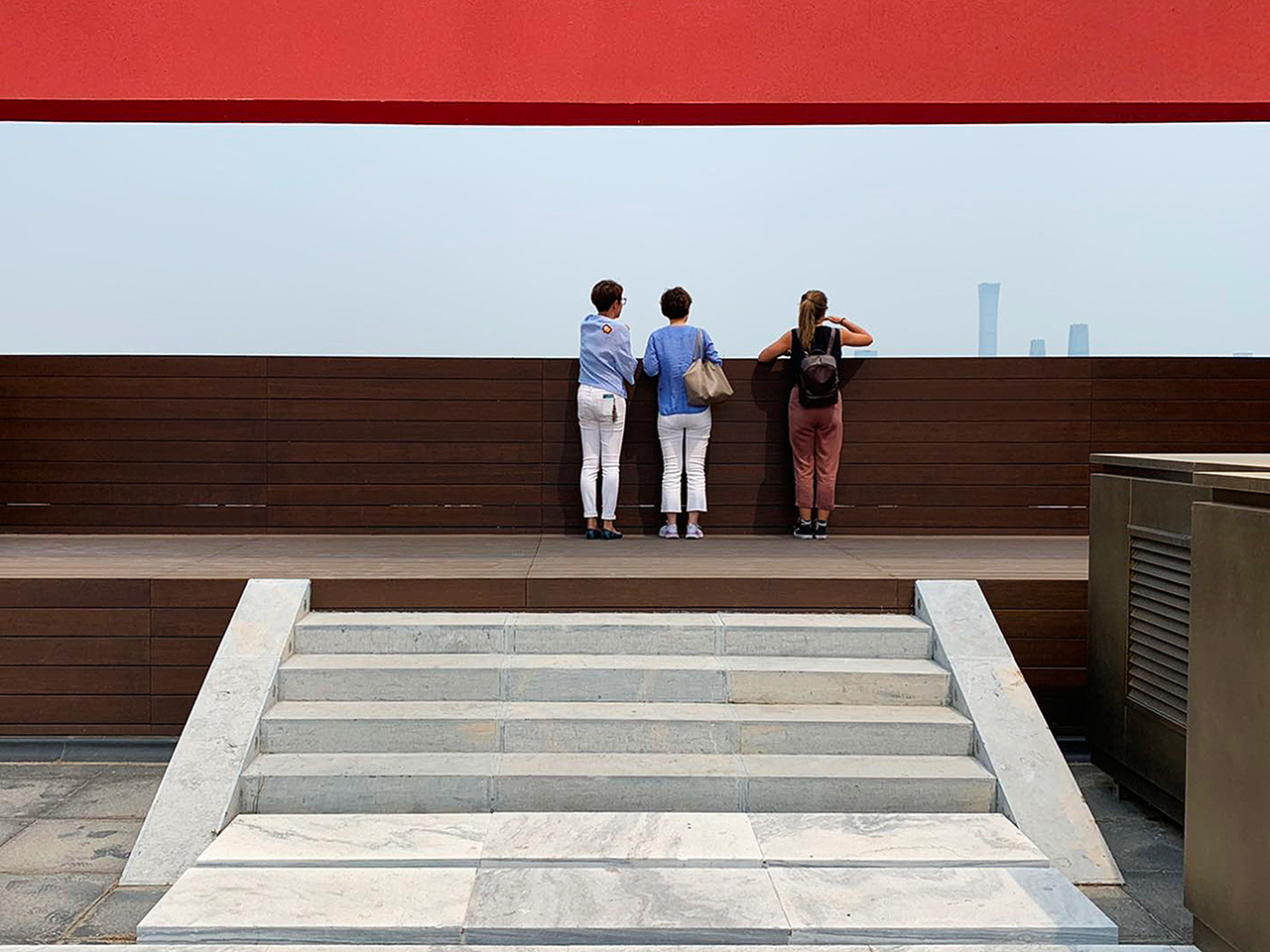
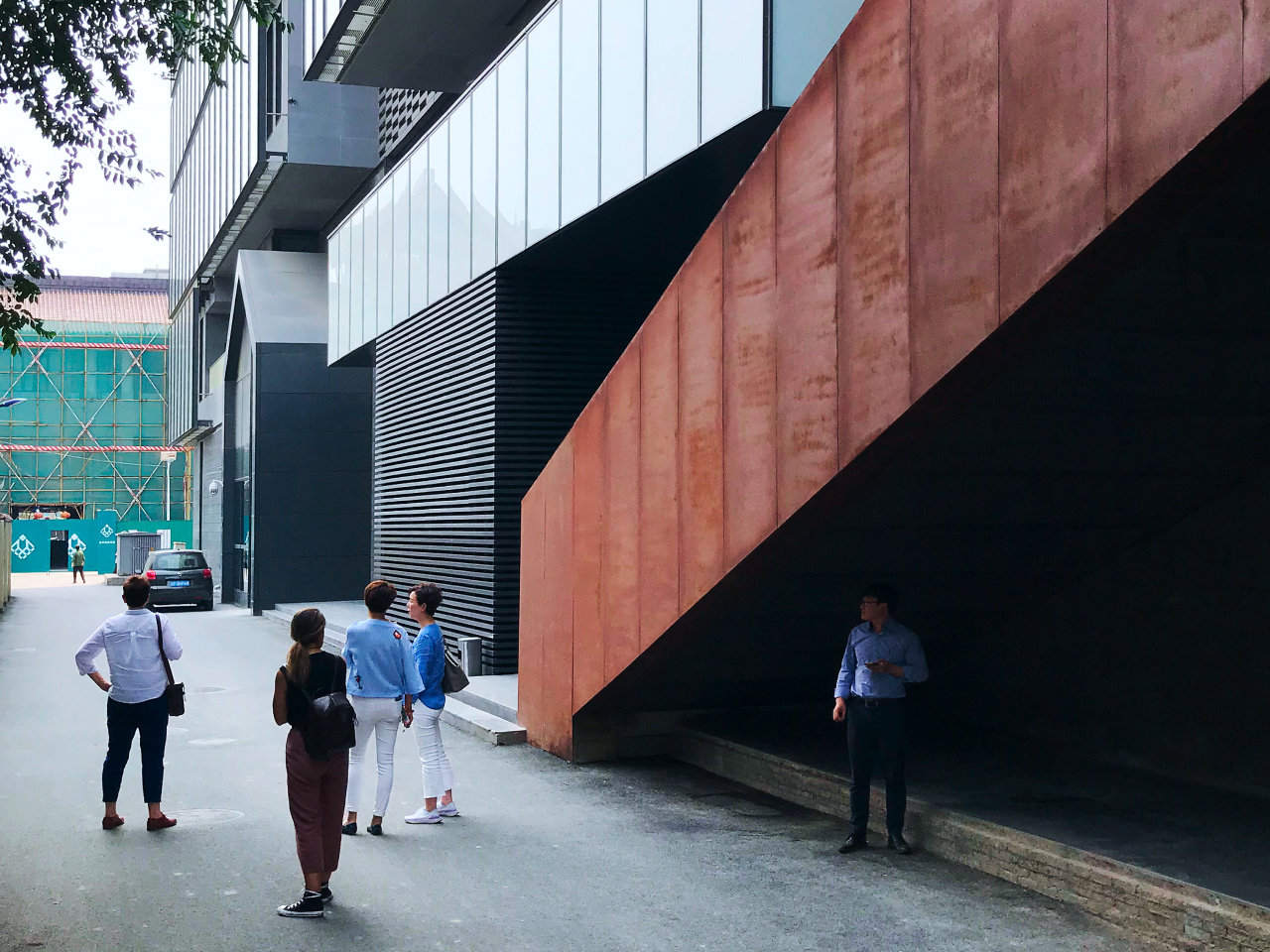
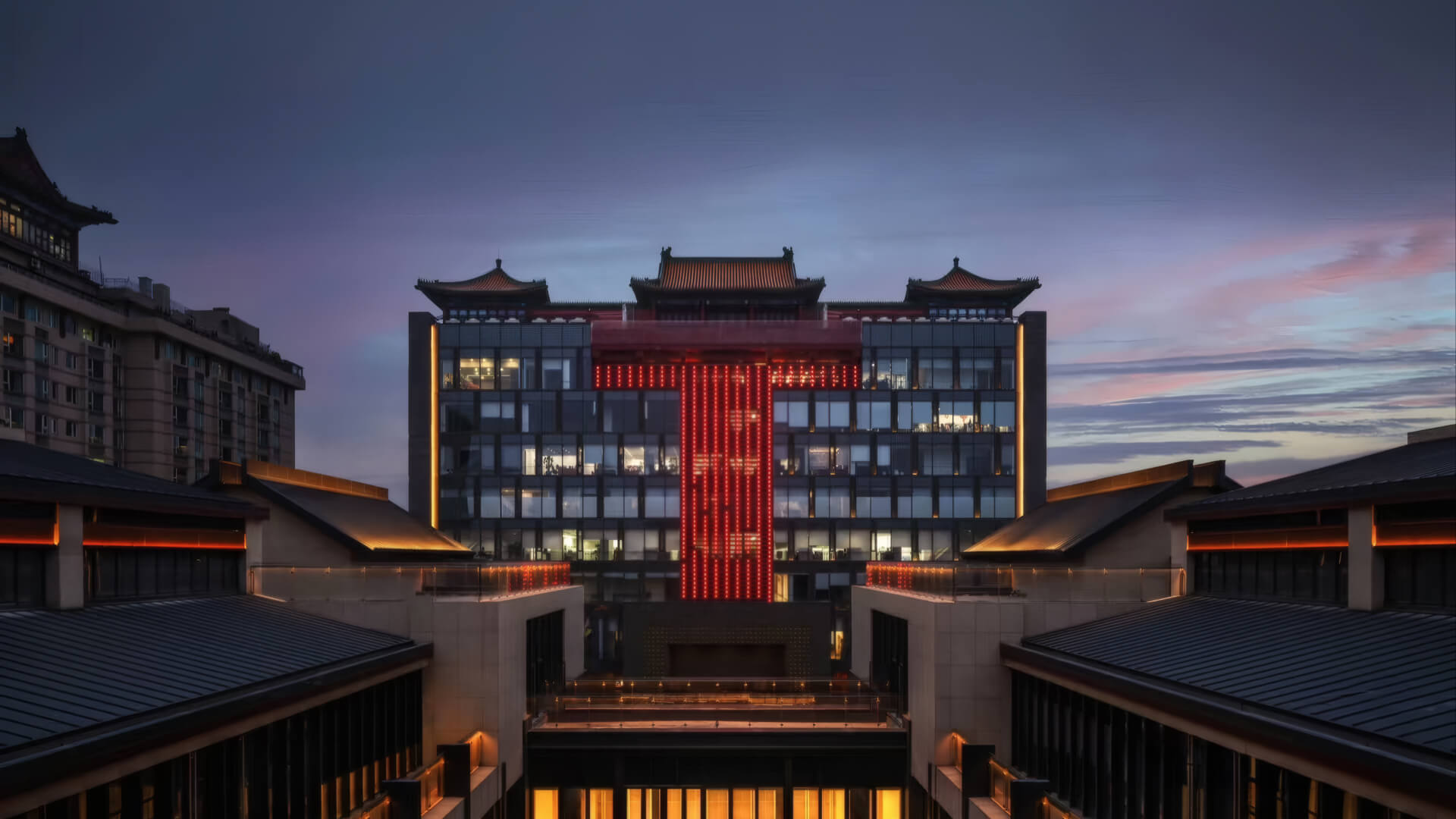
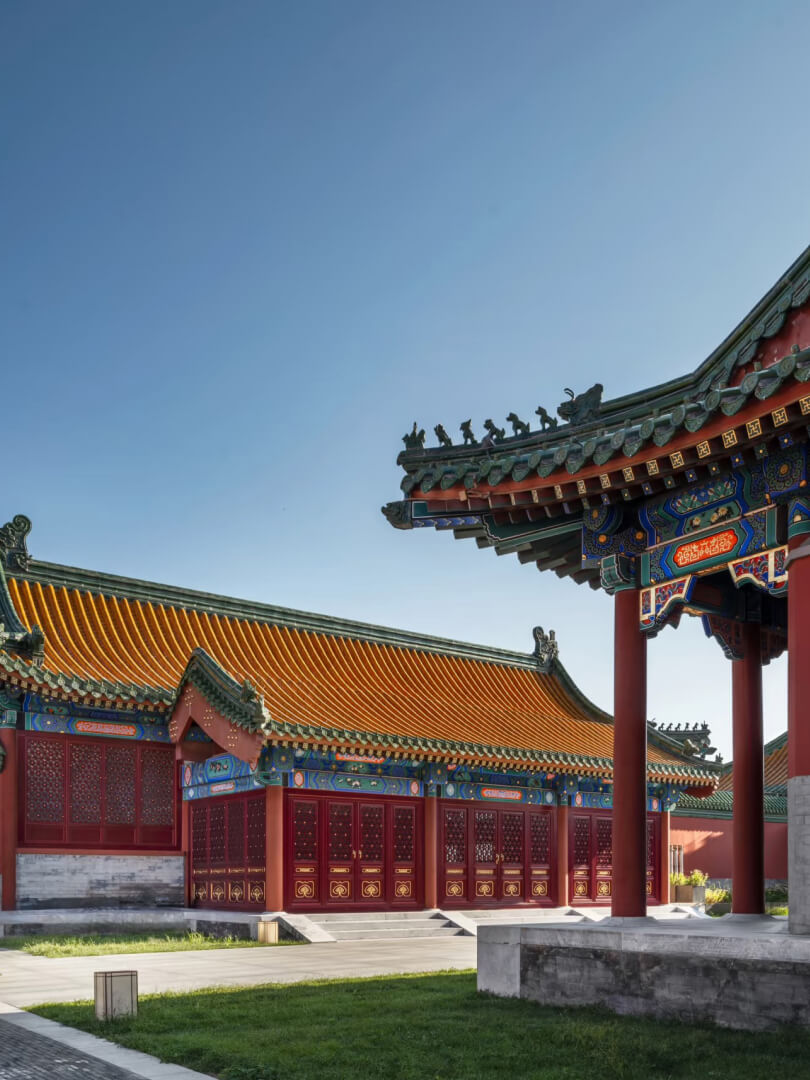
First built in 1452 during the Yuan dynasty, Longfu Temple has stood for centuries as one of Beijing’s most renowned temples and a vibrant centre of social and cultural life. Once home to royal rituals, temple fairs and thriving marketplaces, it witnessed the ebb and flow of dynastic power and everyday commerce alike. Following the Reform and Opening Up era, however, the district declined as the city’s attention shifted elsewhere.
To restore this legacy, Beijing Xinlongfu Culture Investment Company partnered with JWDK to create a contemporary place brand for Longfu Temple — one that would revive its spirit, connect past and present, and re-establish Beijing as a leader on the global cultural stage.
Fusion from the past
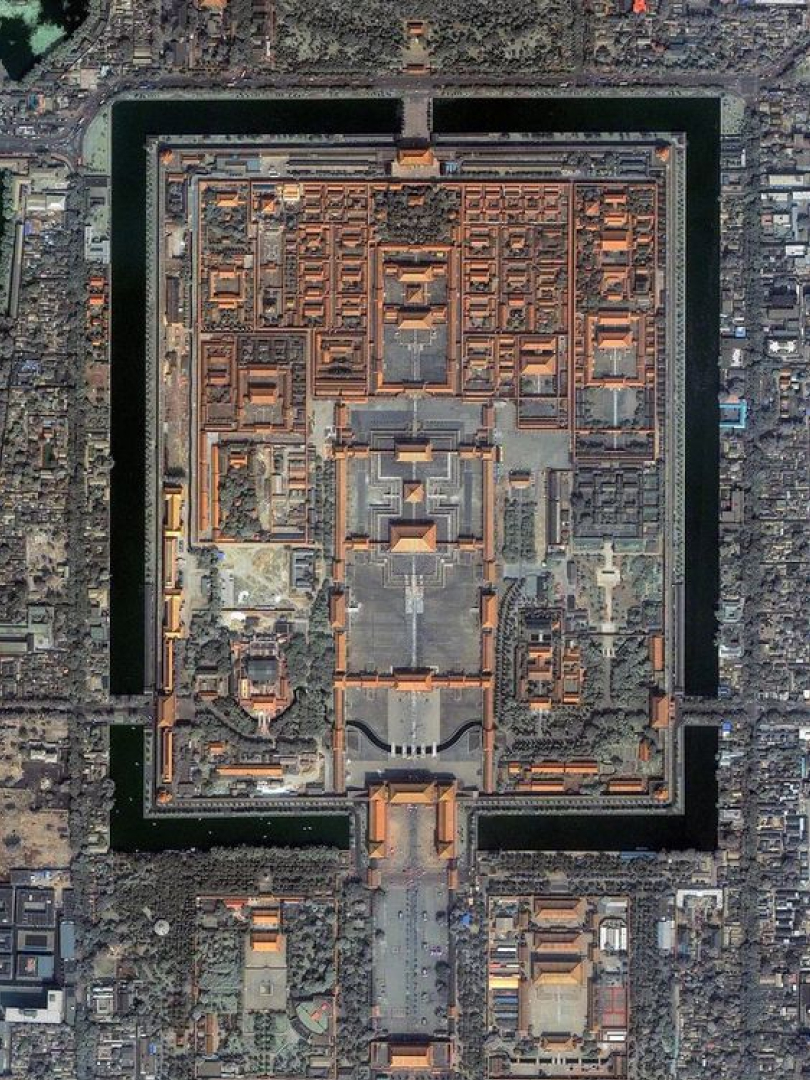
JWDK’s research revealed Longfu’s six-hundred-year history as a story of coexistence and convergence — where Chinese and Tibetan Buddhism met, emperors and commoners worshipped side by side, and sacred rituals intertwined with the bustle of trade. This heritage inspired the brand concept A Cultural Gathering — a modern re-imagining of the traditional Beijing quadrangle — an open space where diverse cultures, ideas and lifestyles come together.
 ©胡雪慢
©胡雪慢
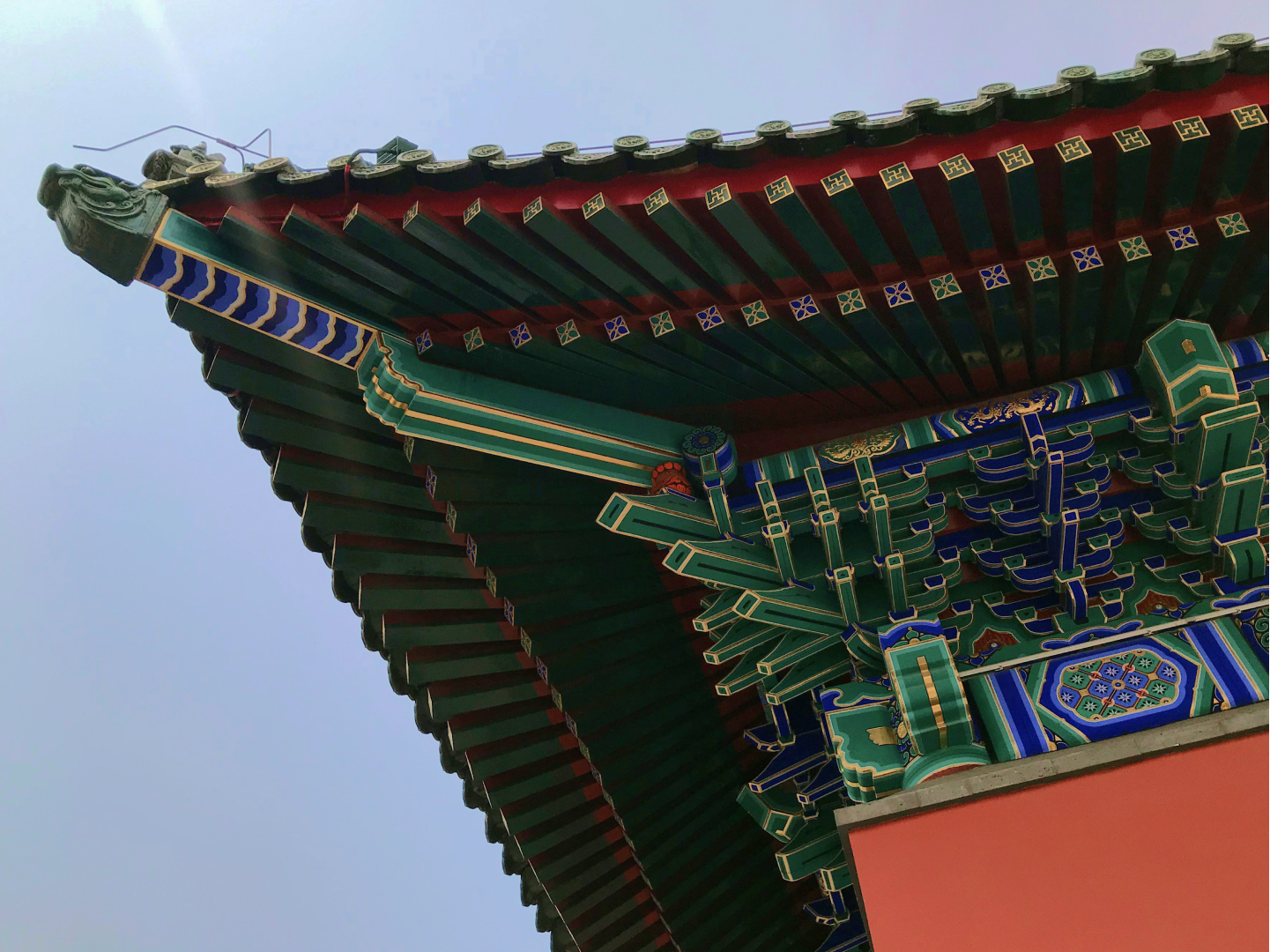
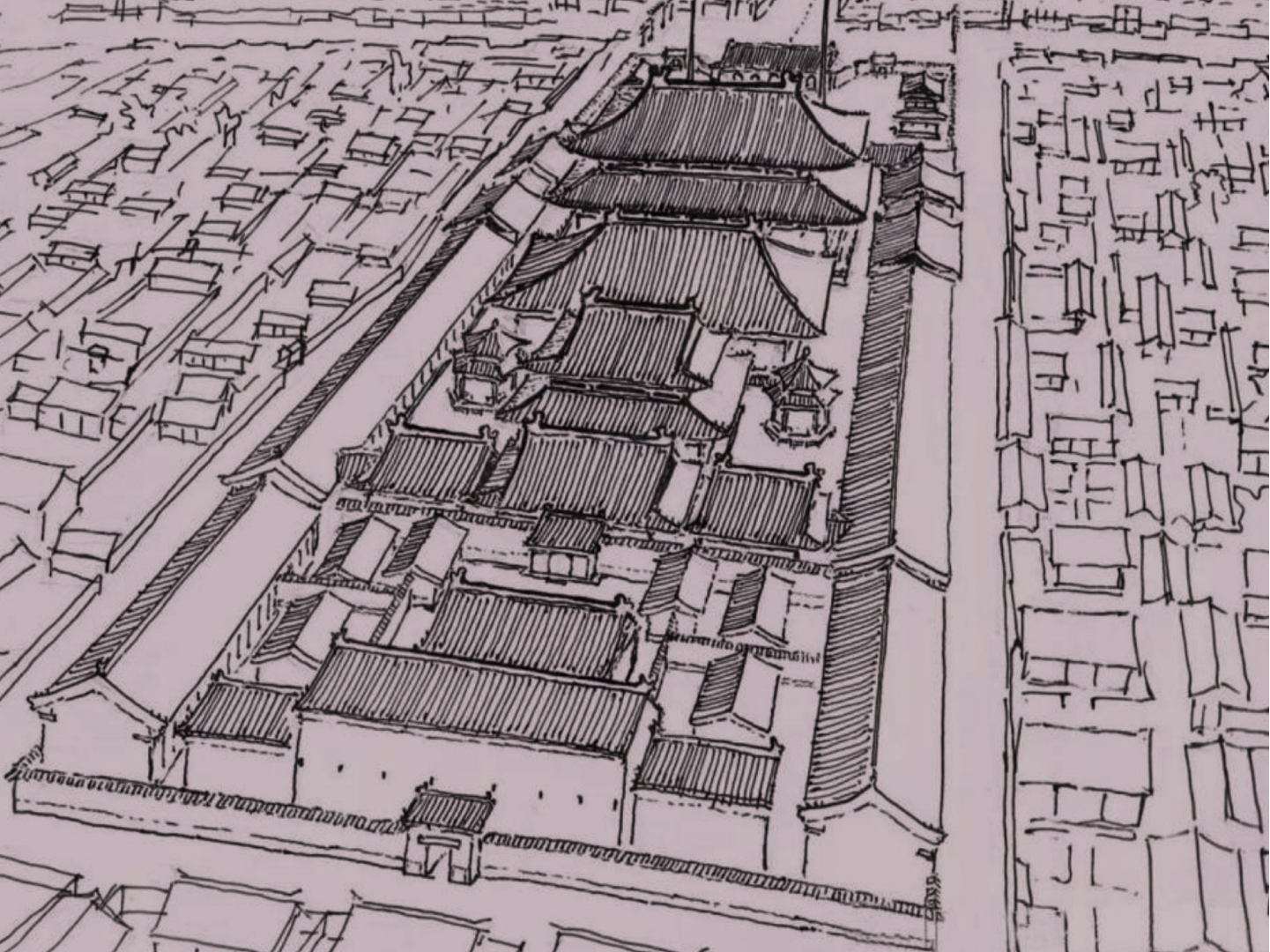
The Sunmao: structure and symbolism
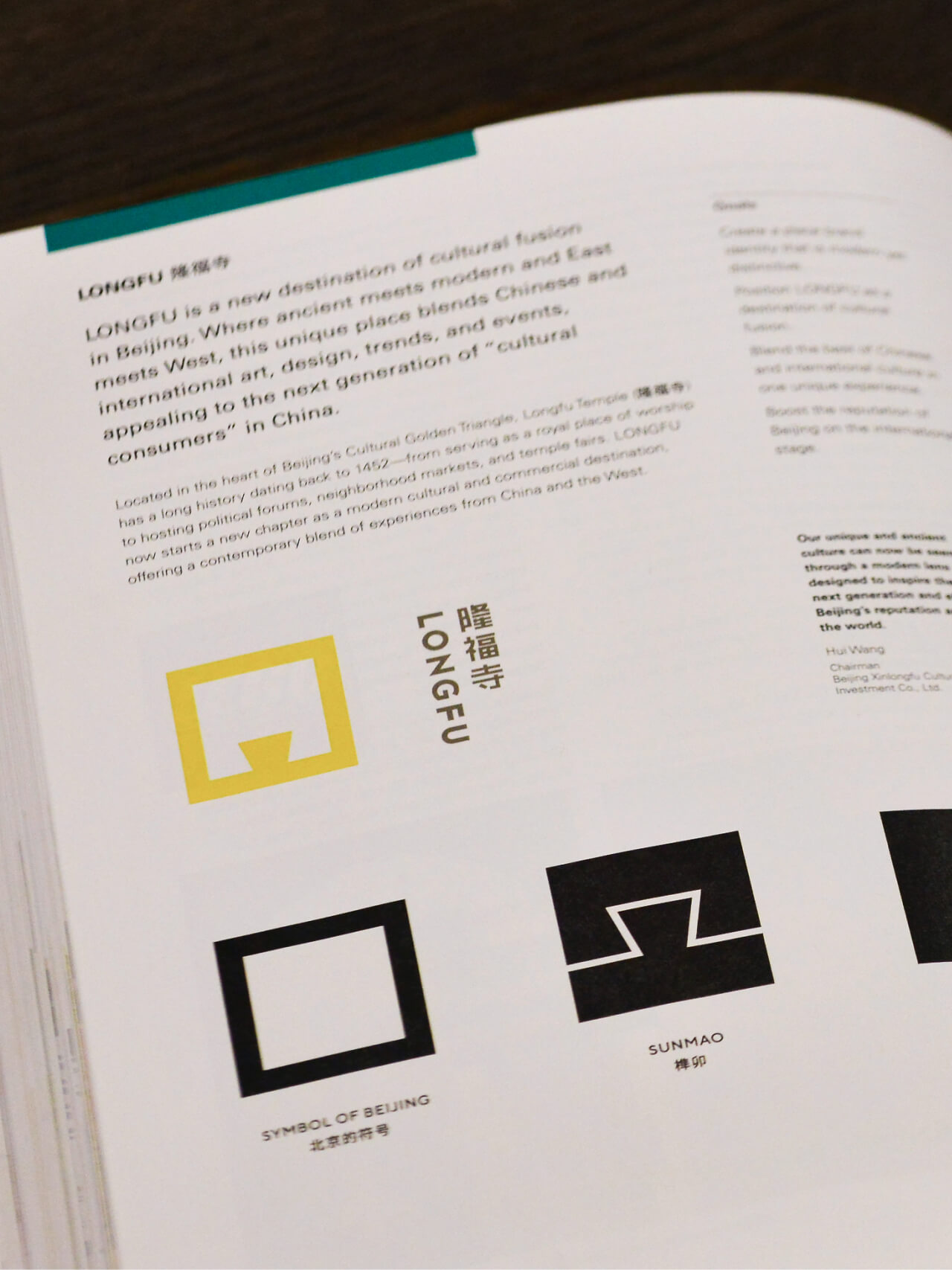
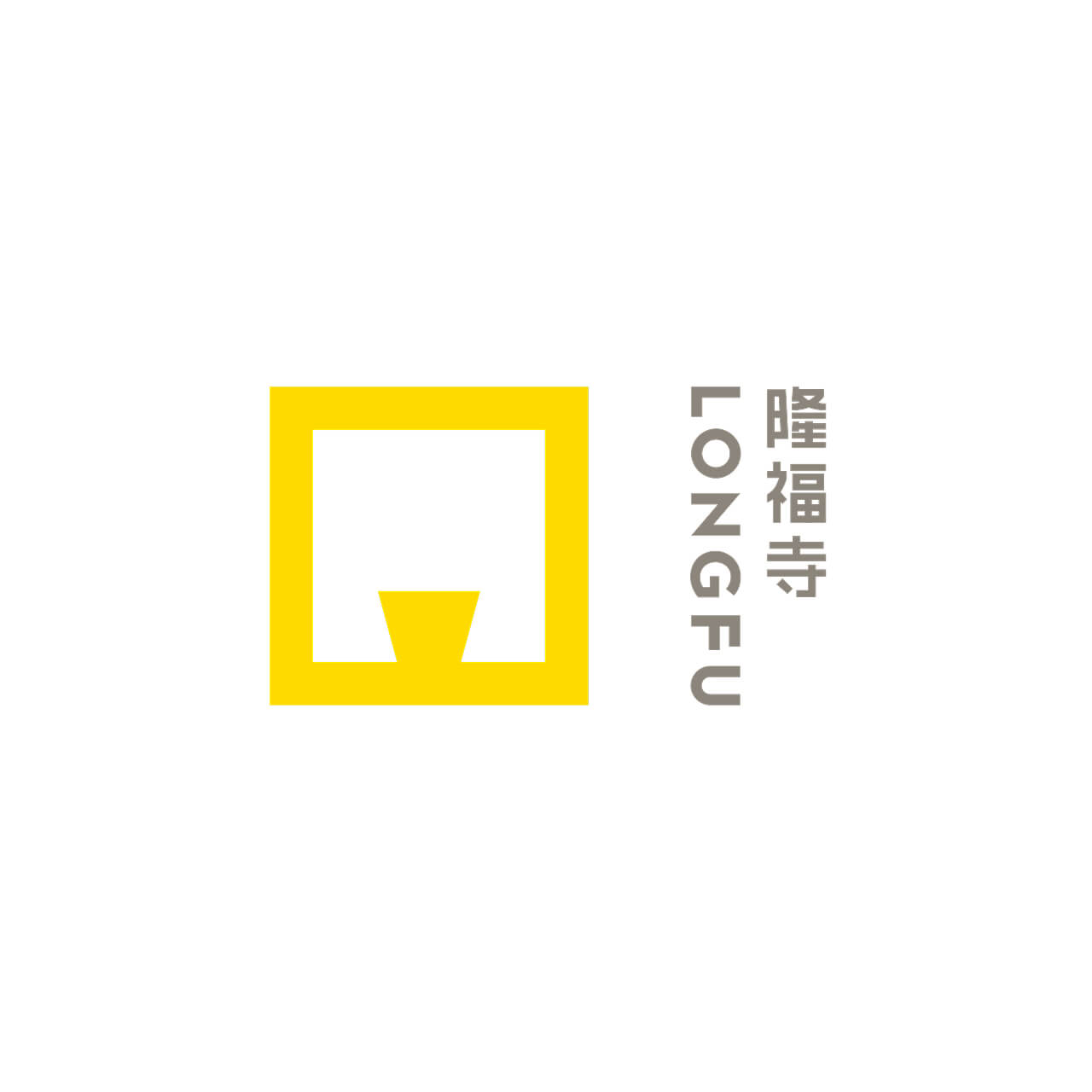
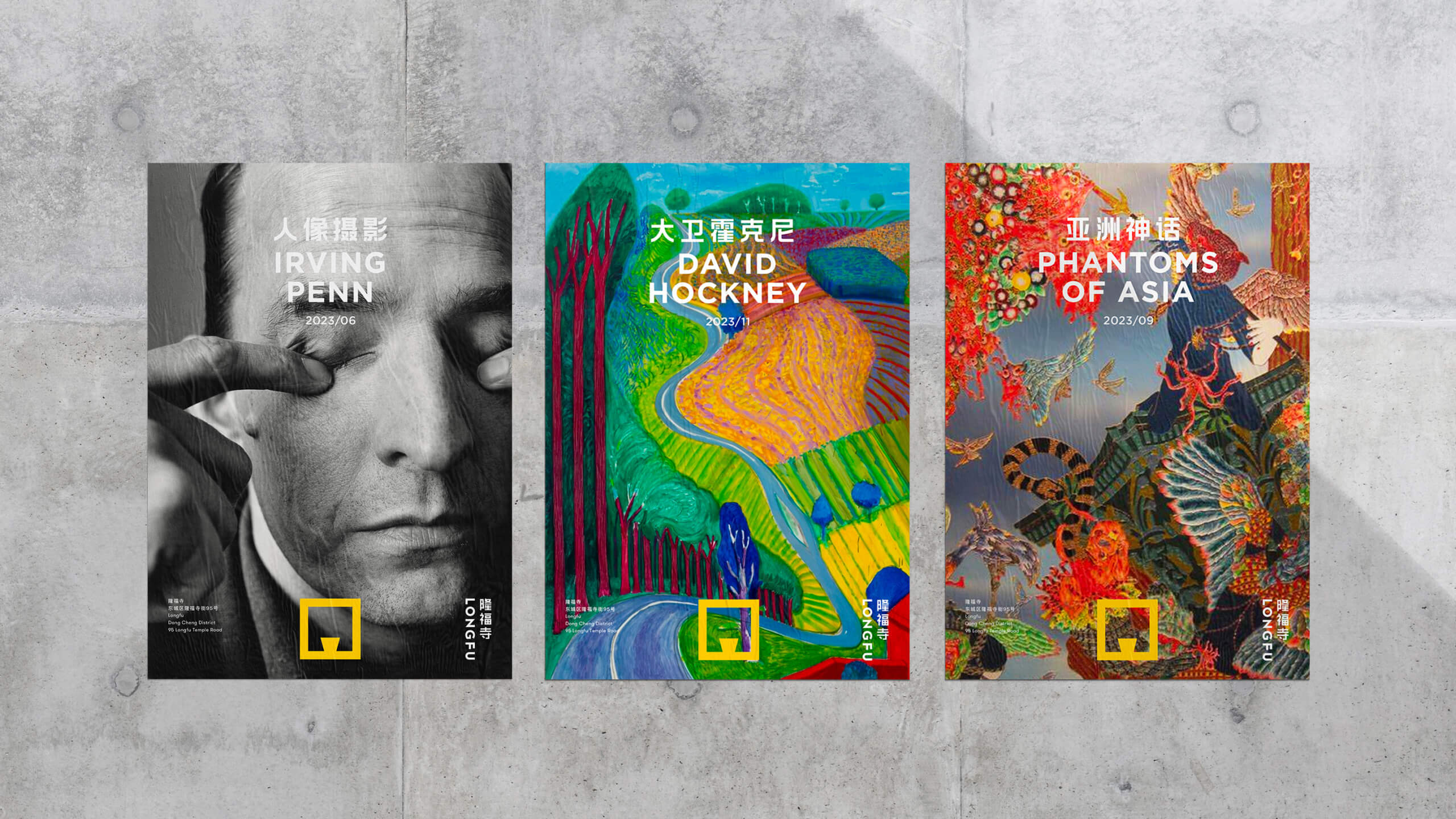
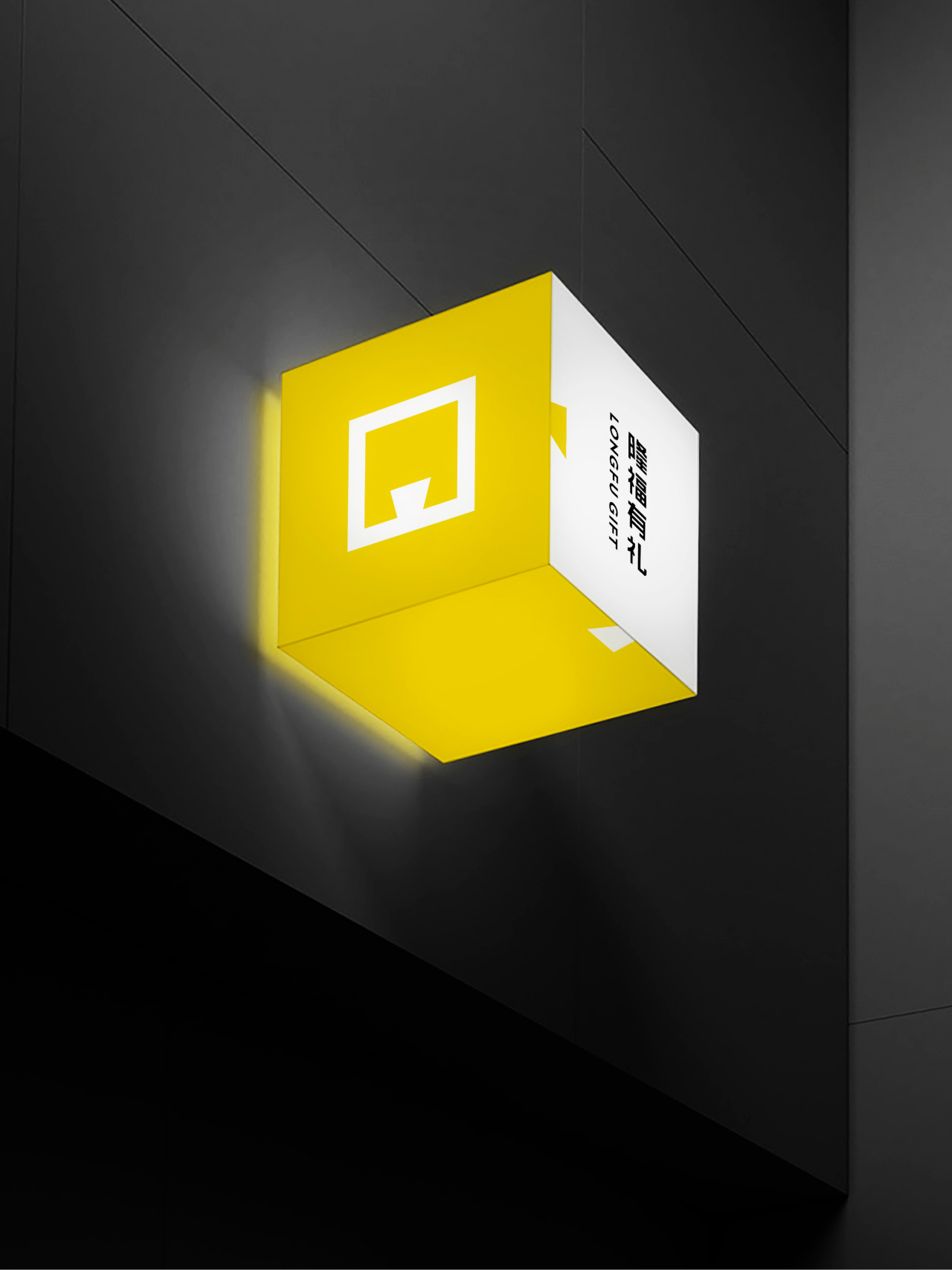
The new brand logo expresses this concept through minimalist geometry and three deeply rooted cultural symbols: the orderly form of the Beijing quadrangle, the sunmao mortise-and-tenon joint representing unity and craftsmanship, and the open doorway — a metaphor for inclusiveness and continuity.
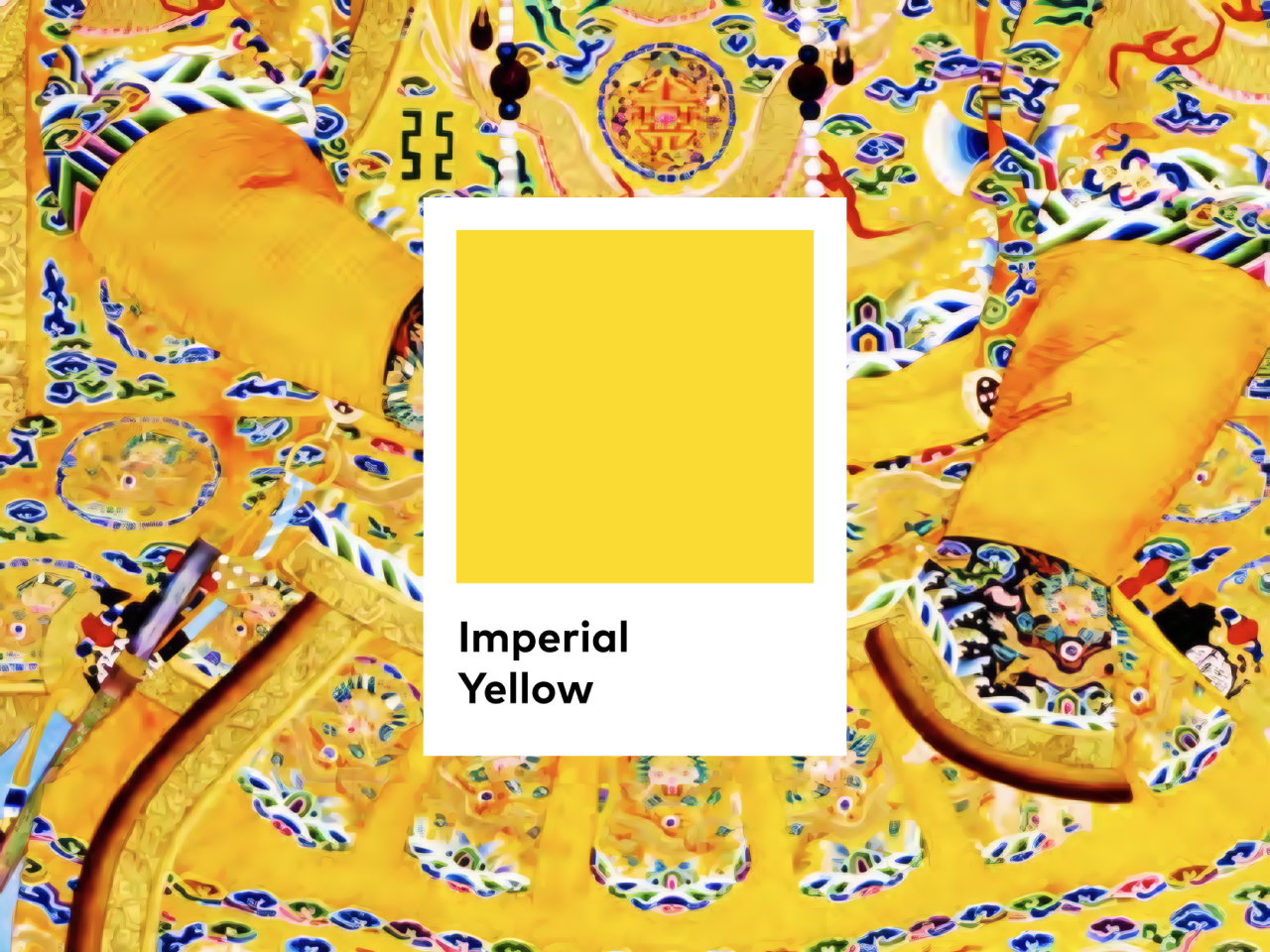
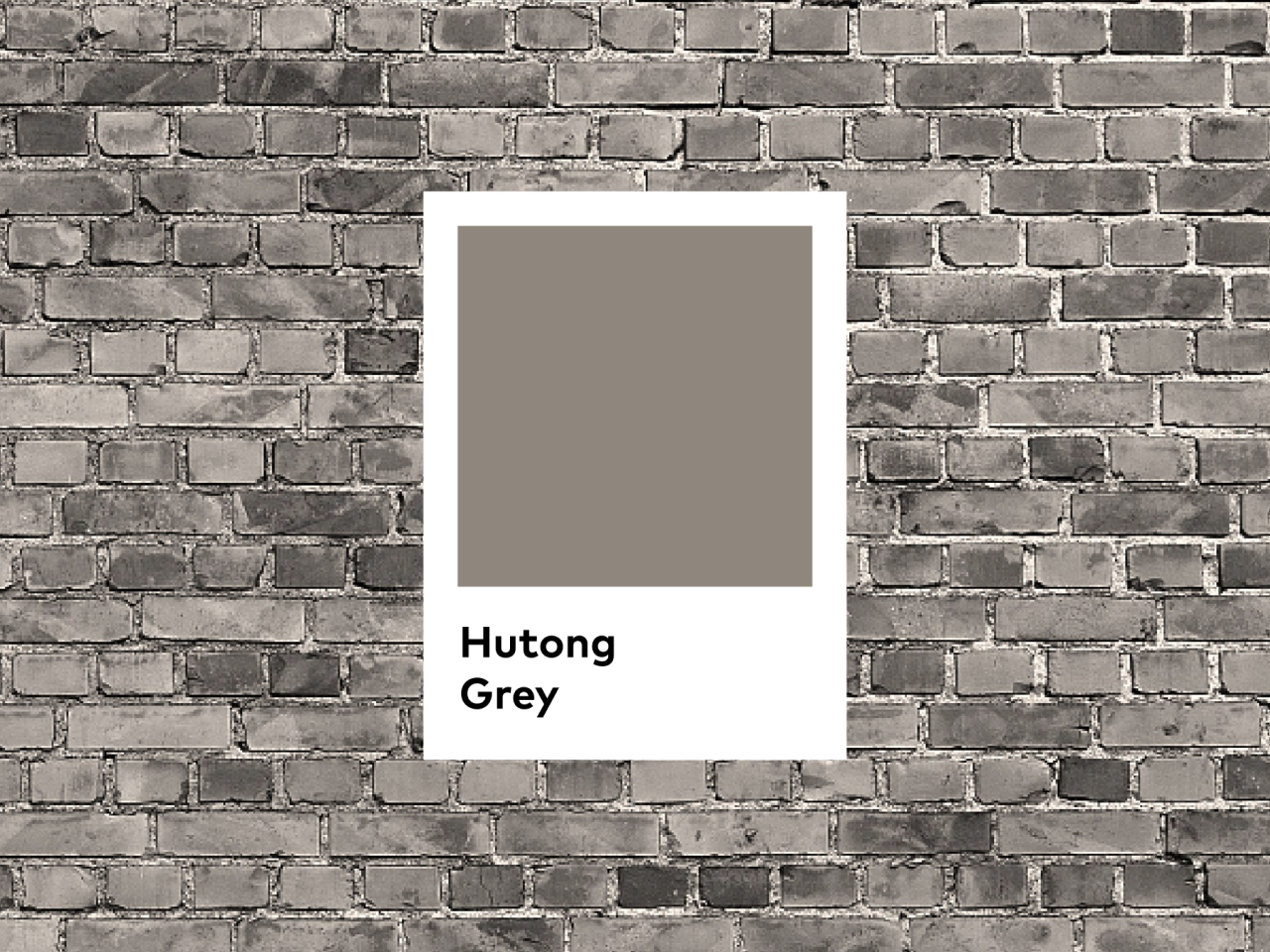
Colours of heritage and harmony
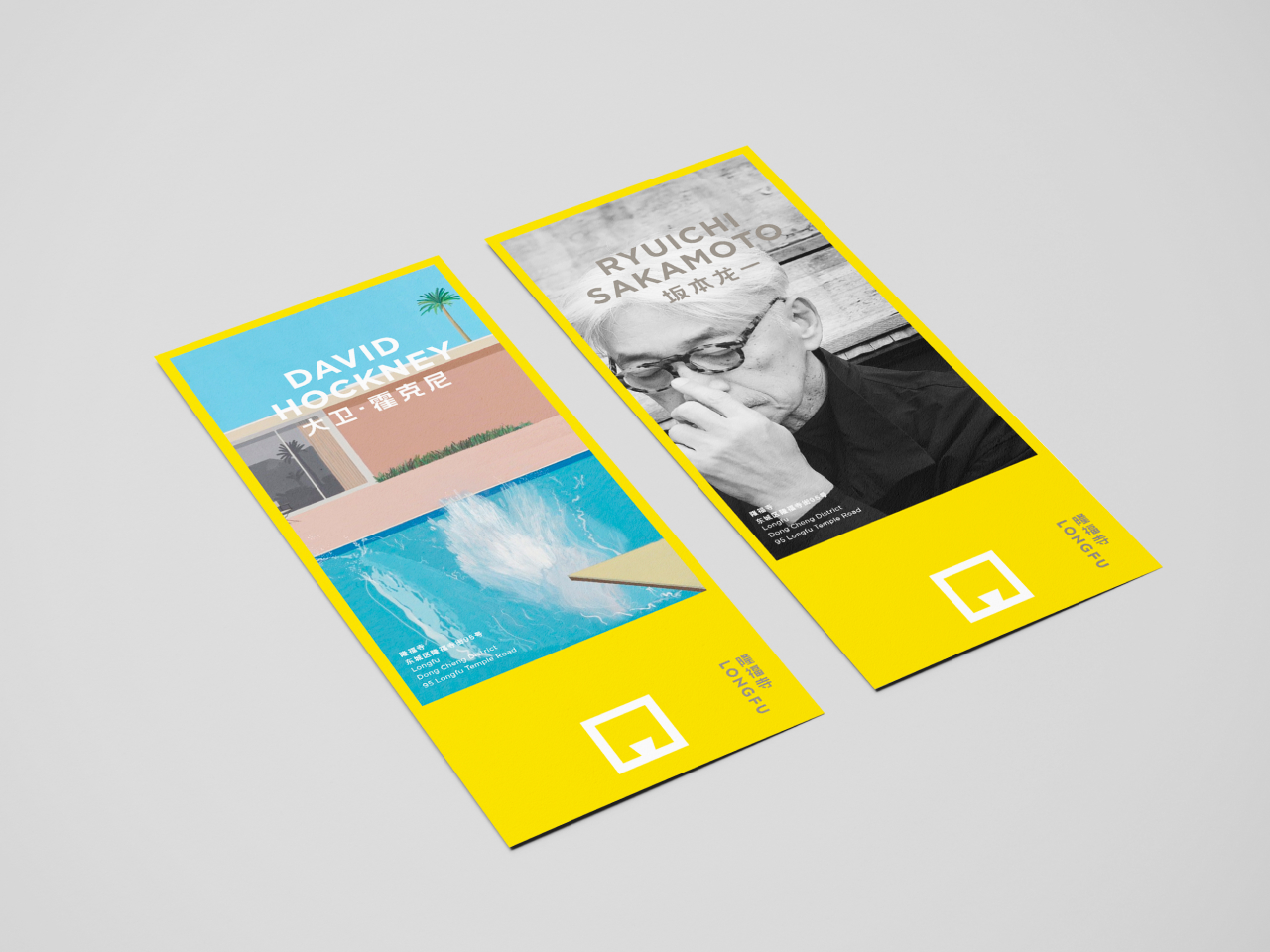
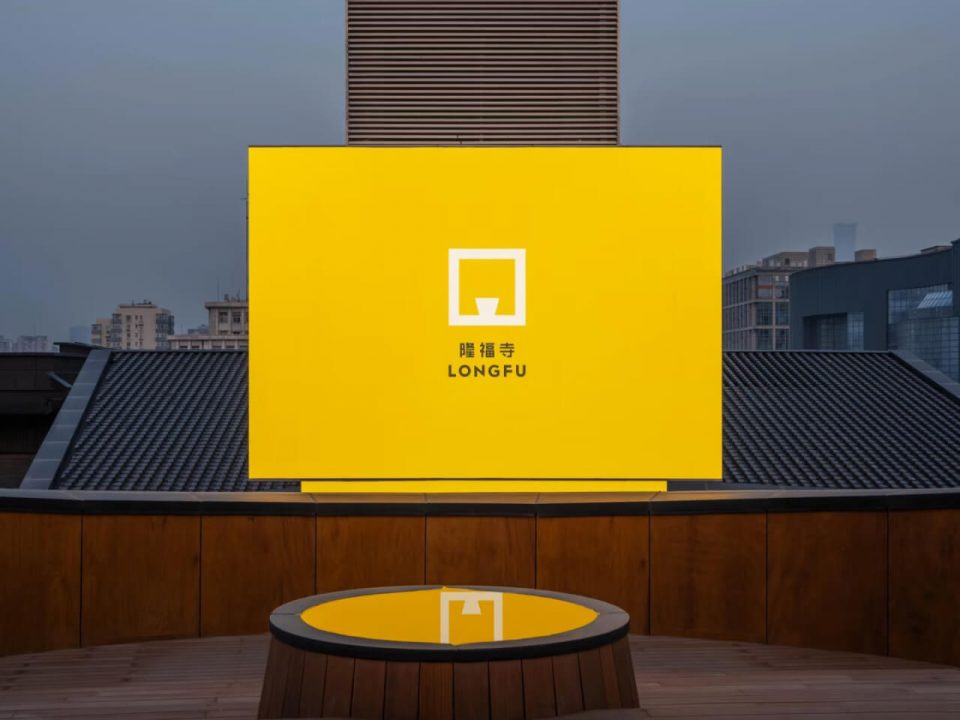
The brand colour palette draws from Beijing’s imperial heritage while grounding itself in the textures of the city’s hutongs. Imperial Yellow, inspired by the robes of ancient emperors, symbolises dignity, enlightenment and vitality — a colour long associated with prosperity and cultural authority. Hutong Grey, derived from the tone of traditional brickwork, reflects humility, endurance and the quiet rhythm of everyday life.
Patterns of cultural fusion
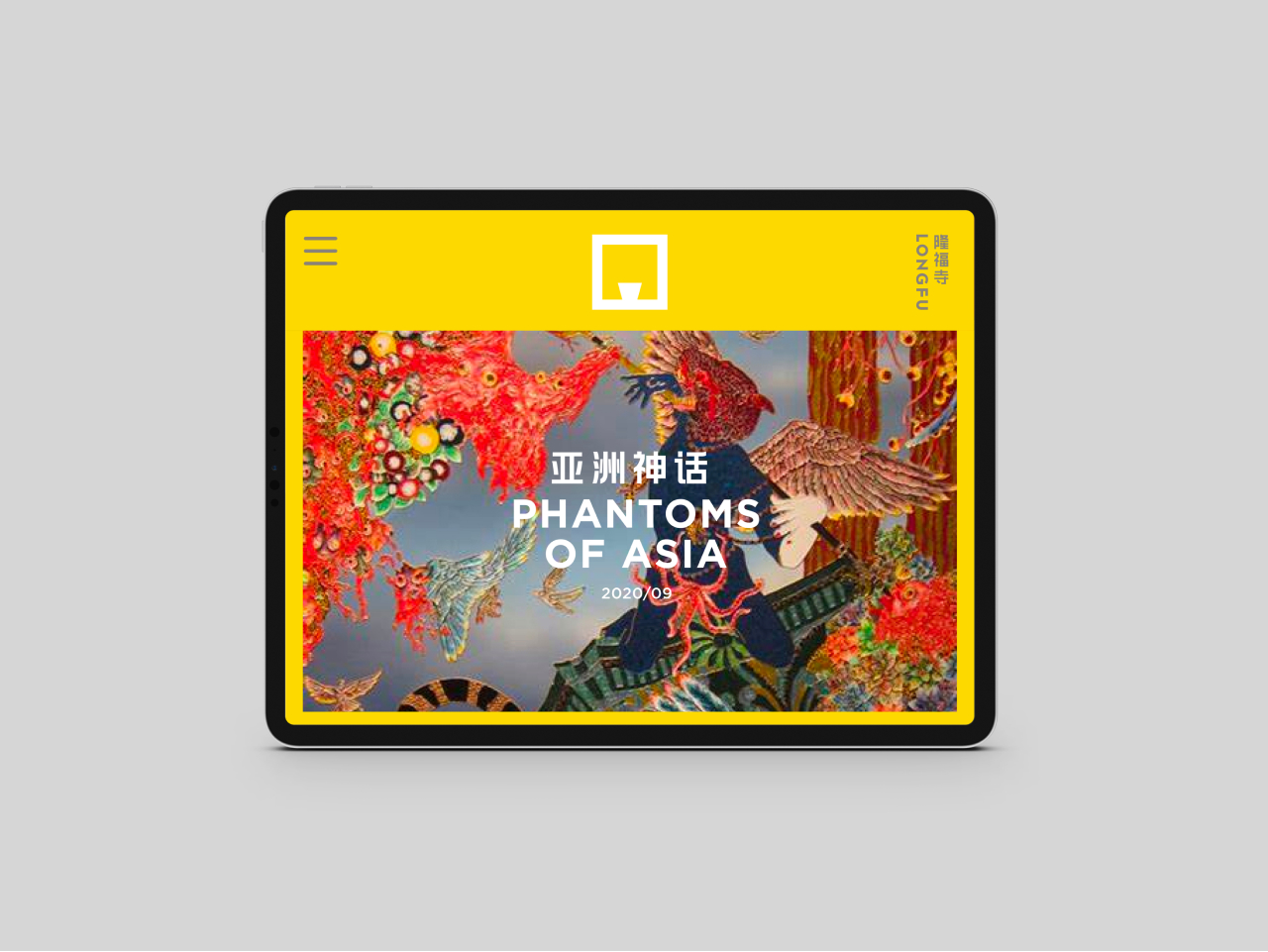
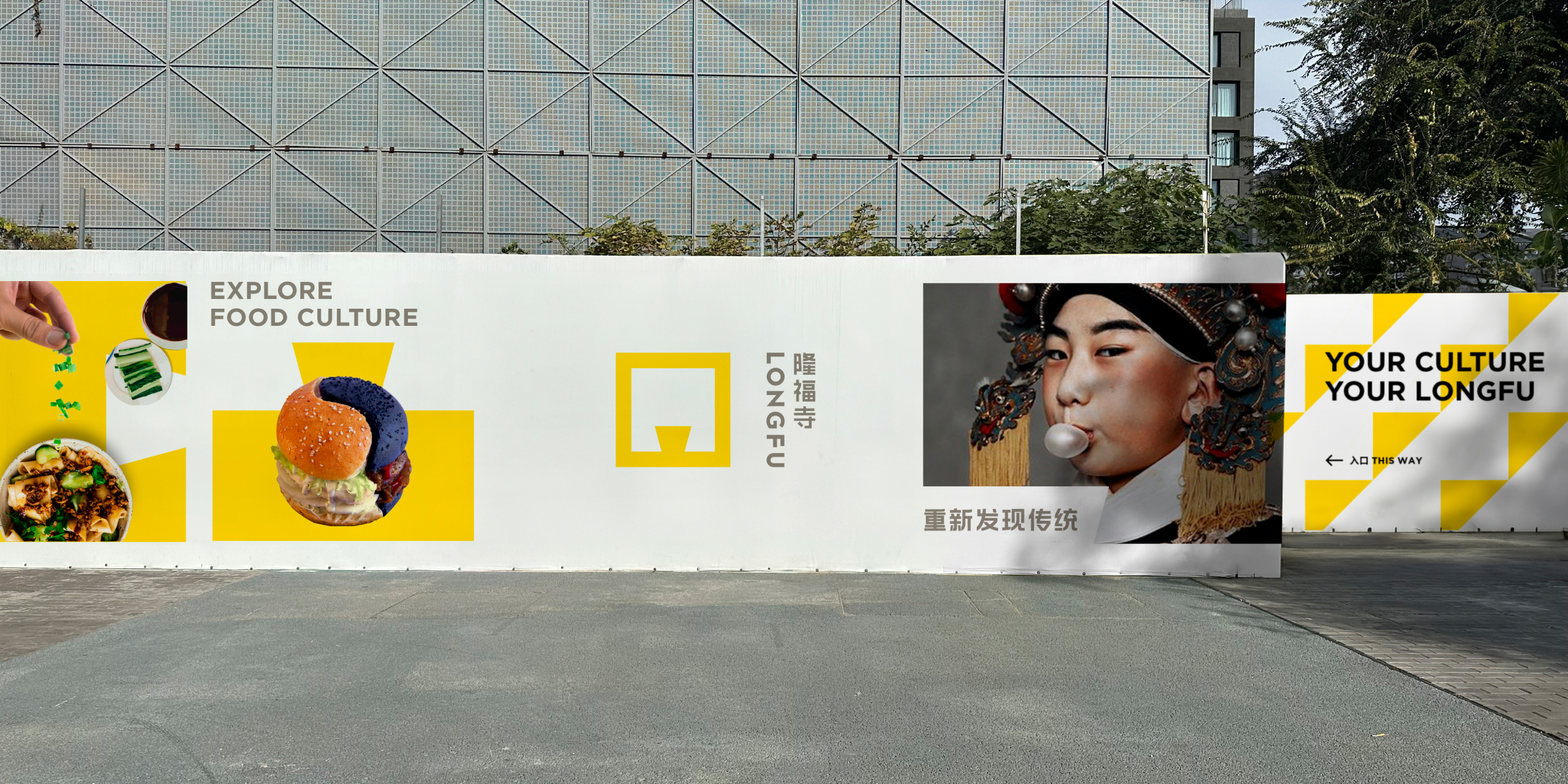
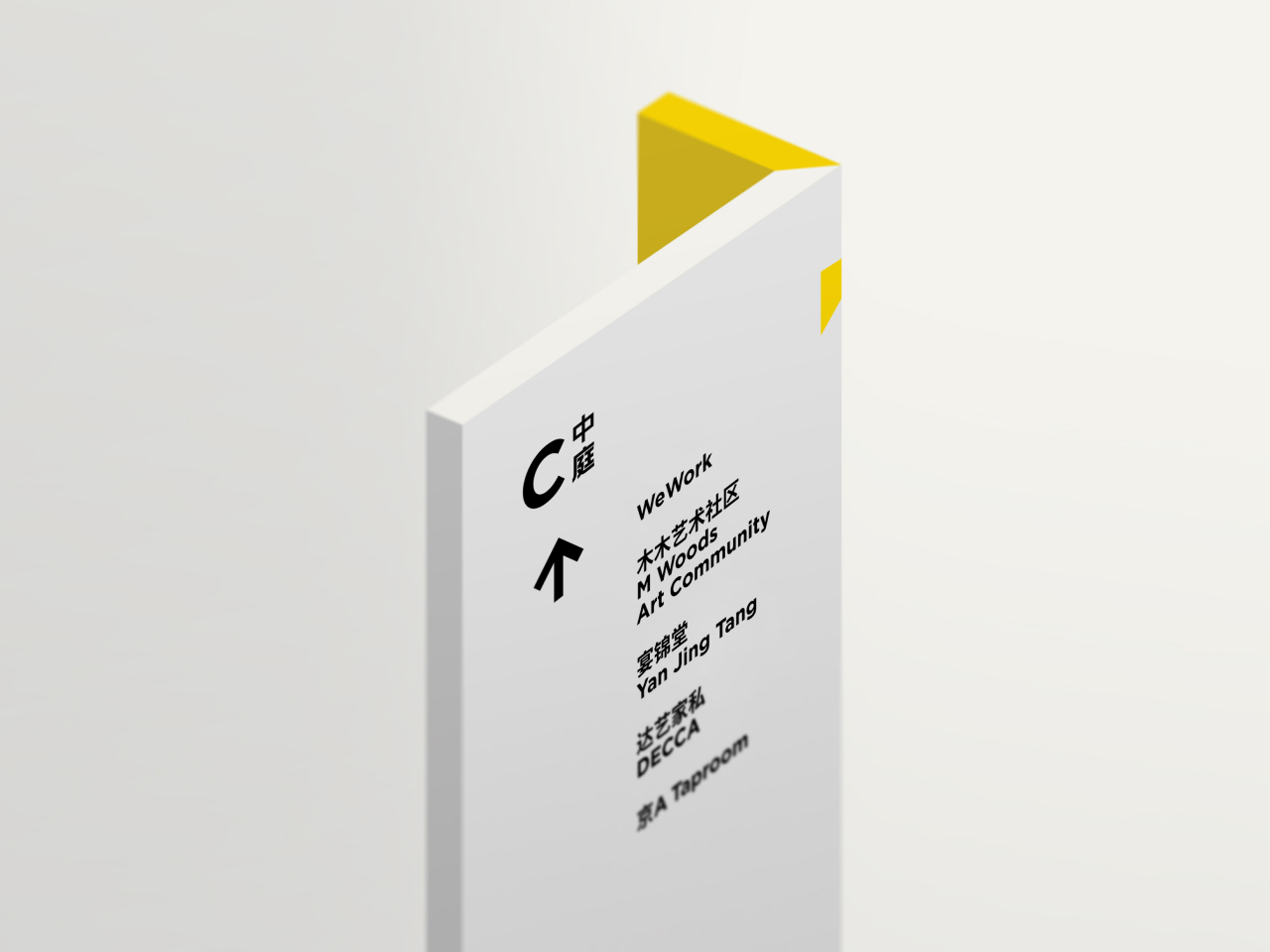
Complementing the palette, a series of graphic patterns reinterpret the traditional sunmao joint into modular geometric designs that echo both ancient craftsmanship and contemporary architecture. Repeated in varying scales, these motifs weave through wayfinding, signage and digital applications, creating visual continuity across physical and virtual spaces.


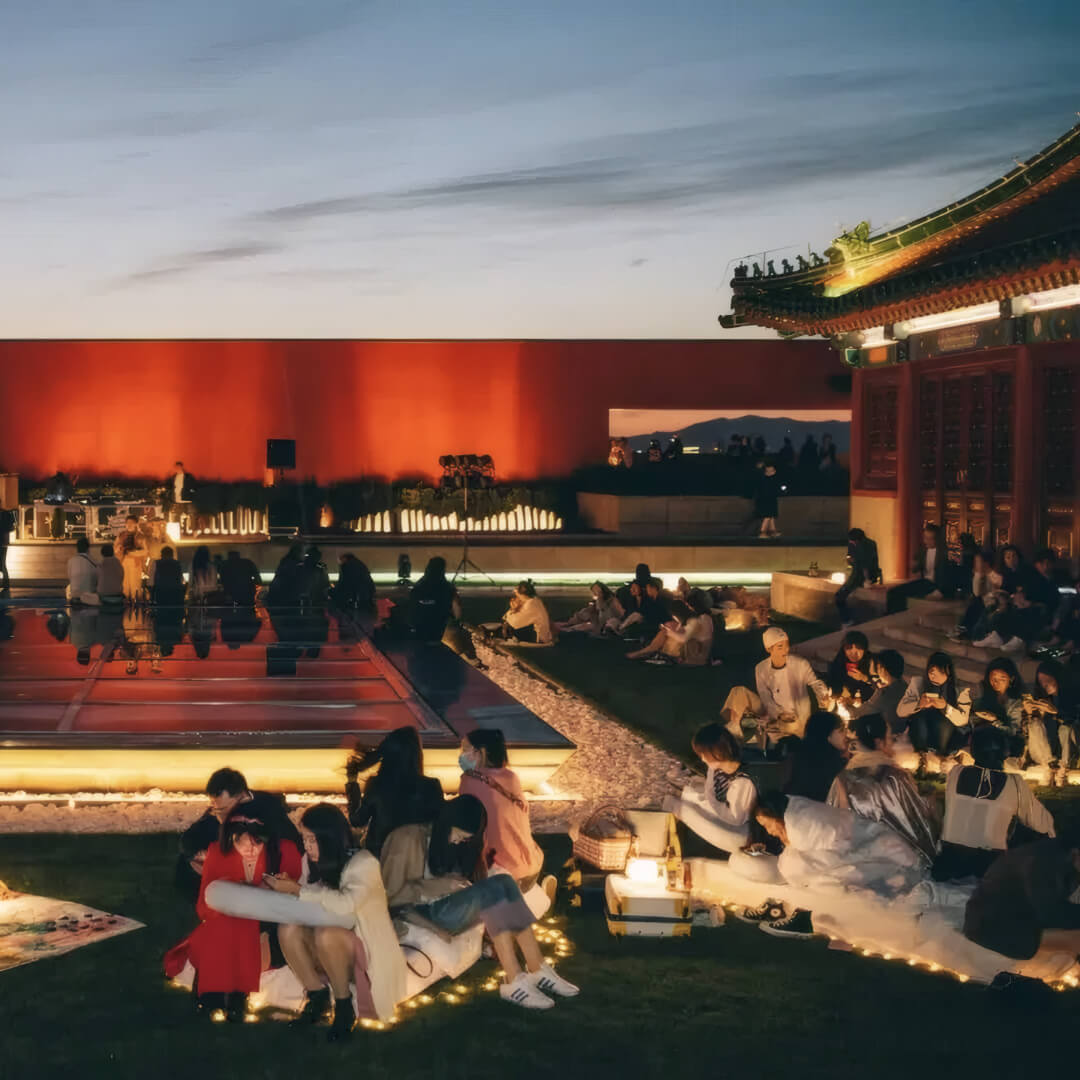
The landscape design echoes this spirit, weaving together time, art and architecture through interconnected courtyards and exhibition spaces. Longfu Temple is reborn as a contemporary social arena for culture, dialogue and shared growth.
A temple of modern culture
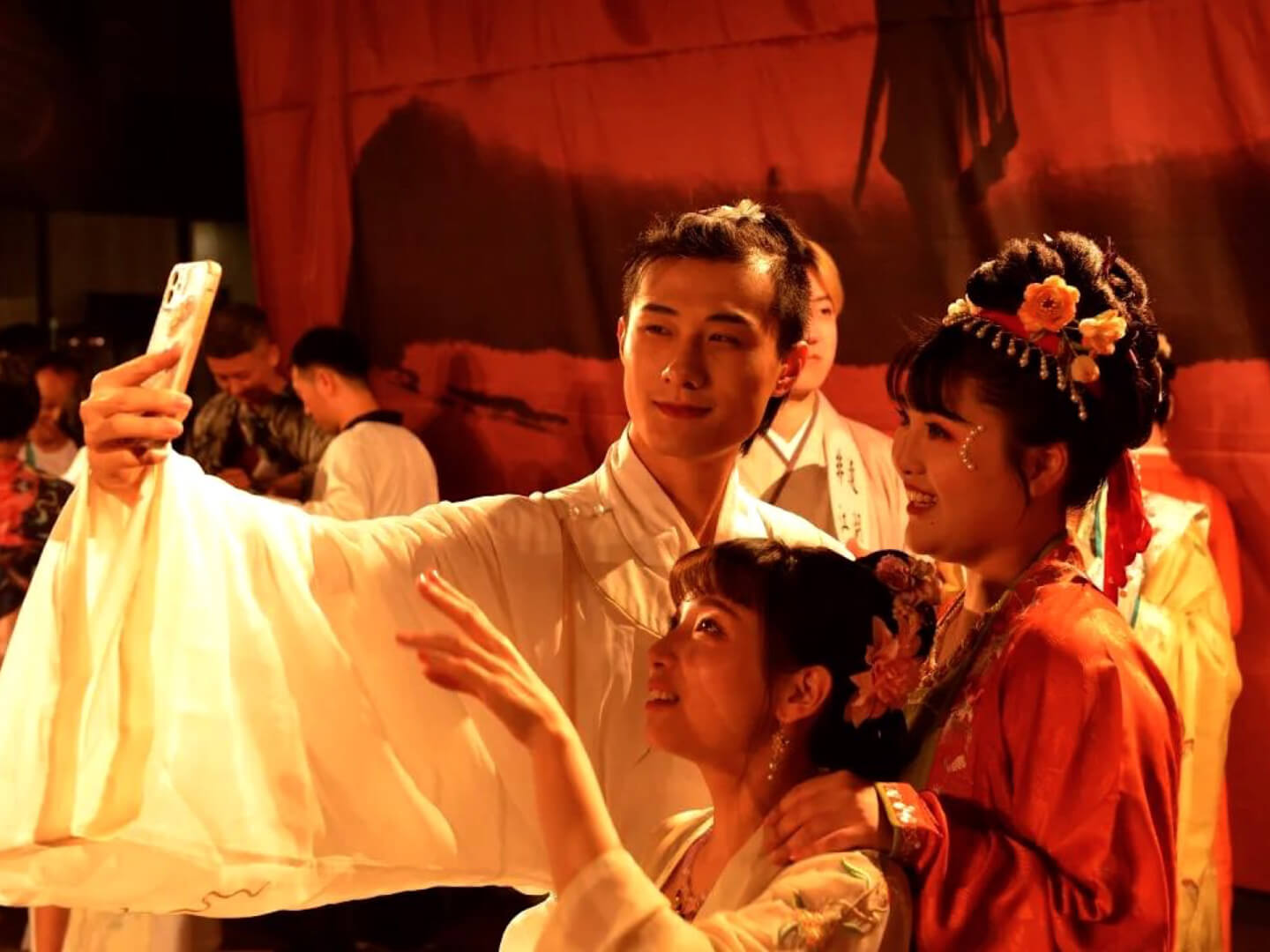
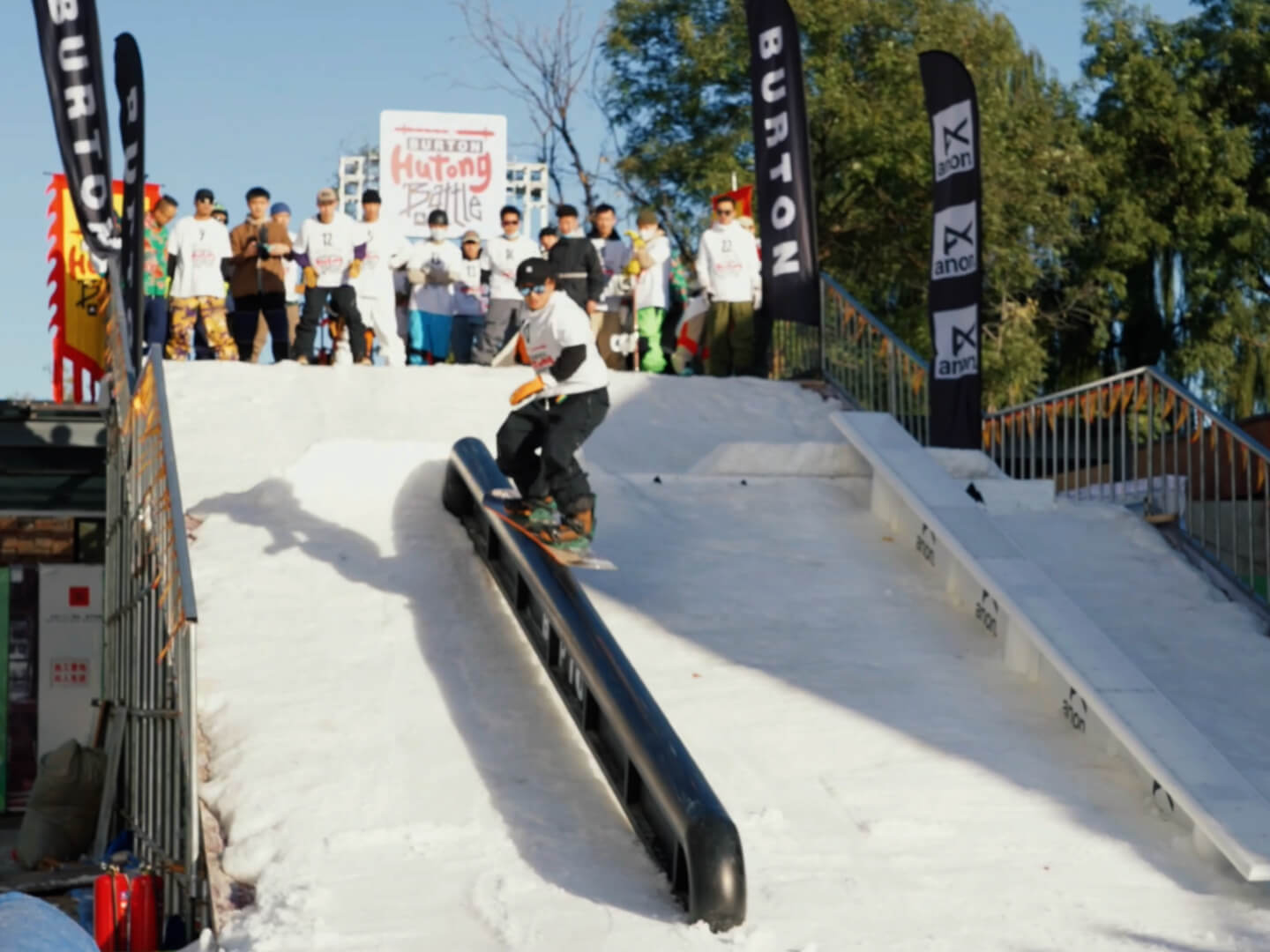
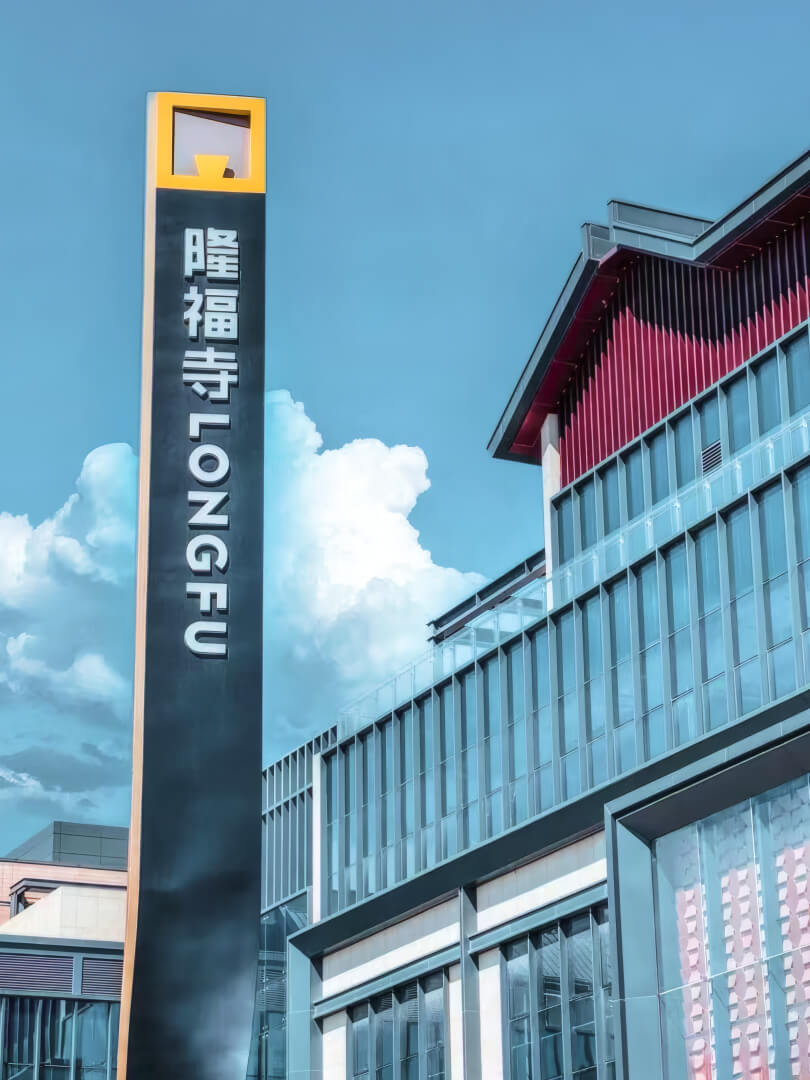
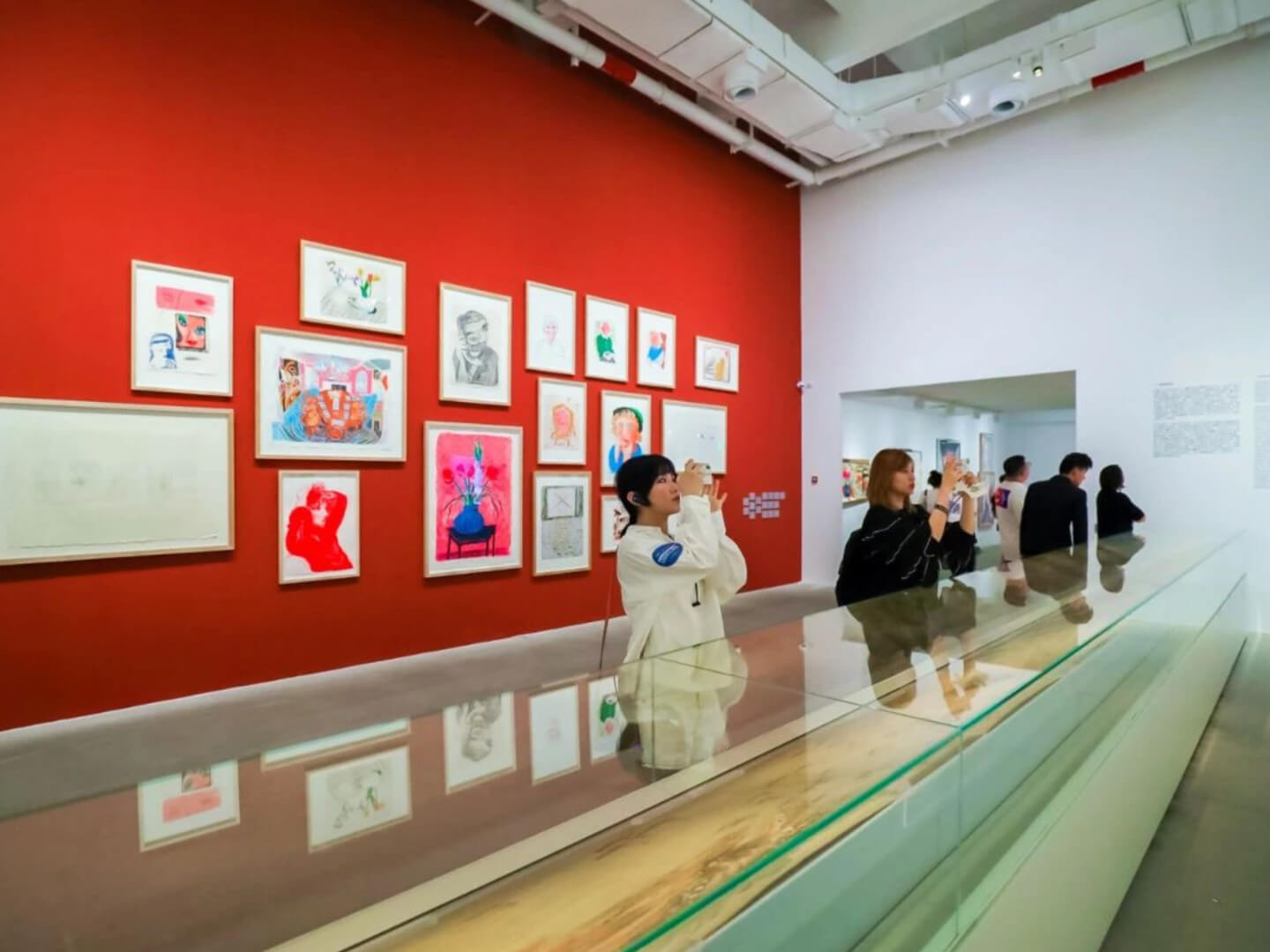
Today, with the arrival of international art events, independent studios and cultural brands, Longfu Temple has re-emerged as a new landmark for Beijing. Its fusion of ancient charm and modern creativity attracts a new generation of cultural consumers, redefining what it means to experience heritage in the capital.
©胡雪慢
 ©北京隆福寺
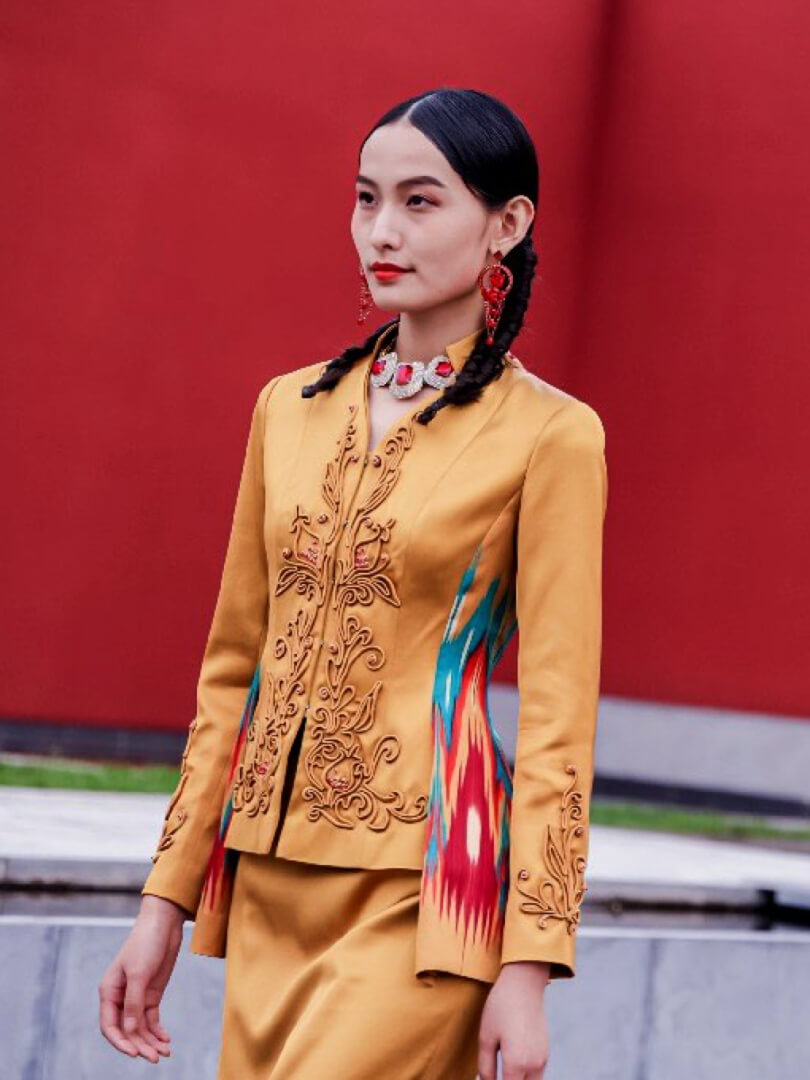
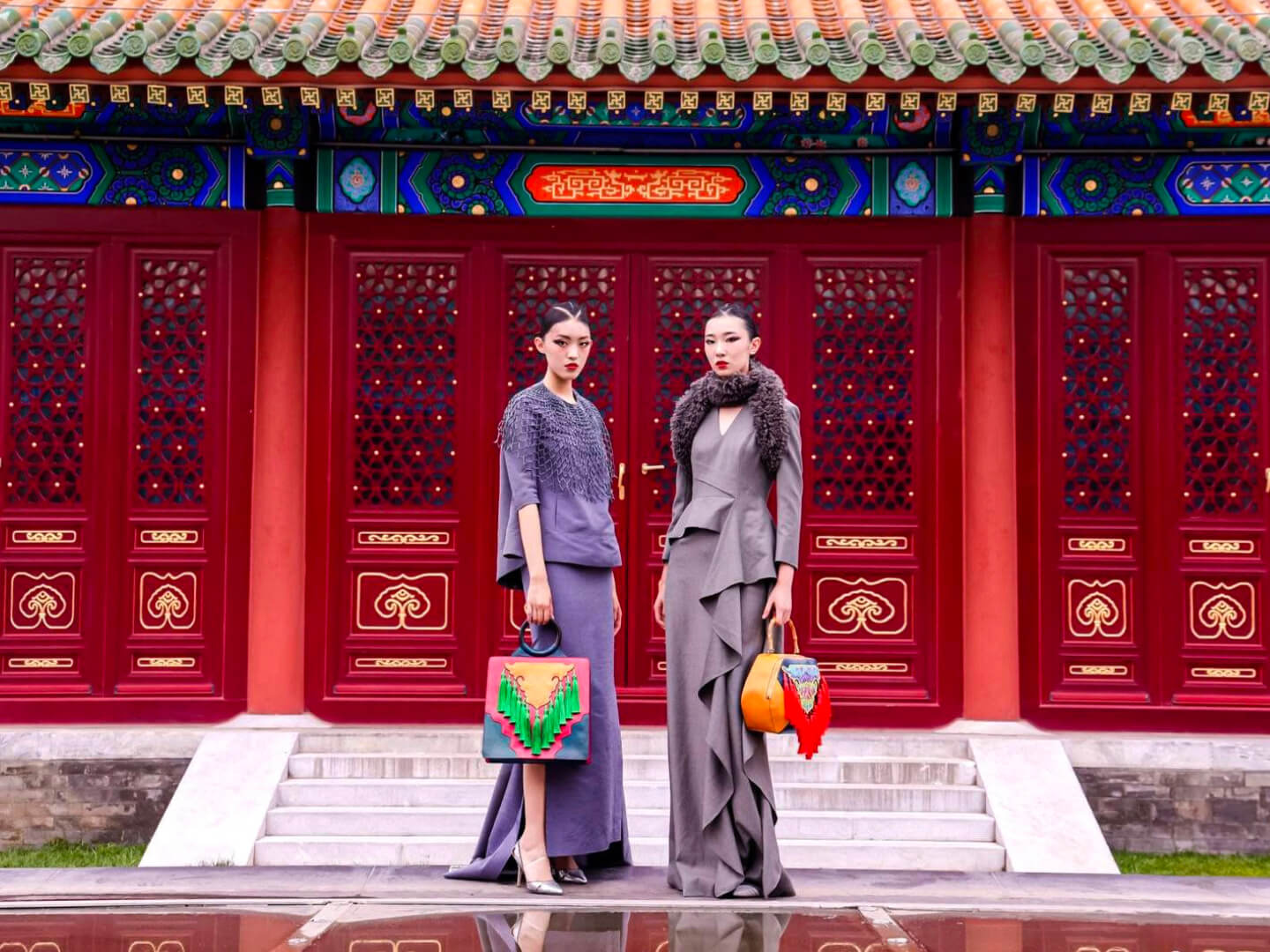 ©北京时装周
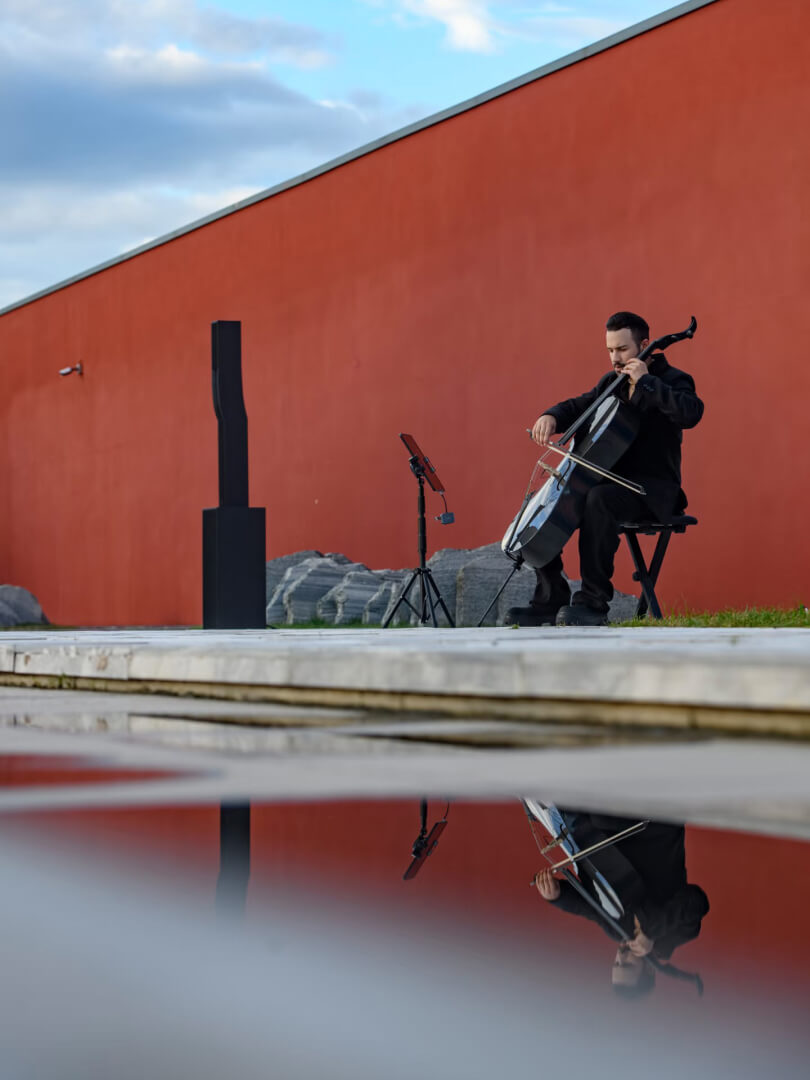 ©非潮人史老师
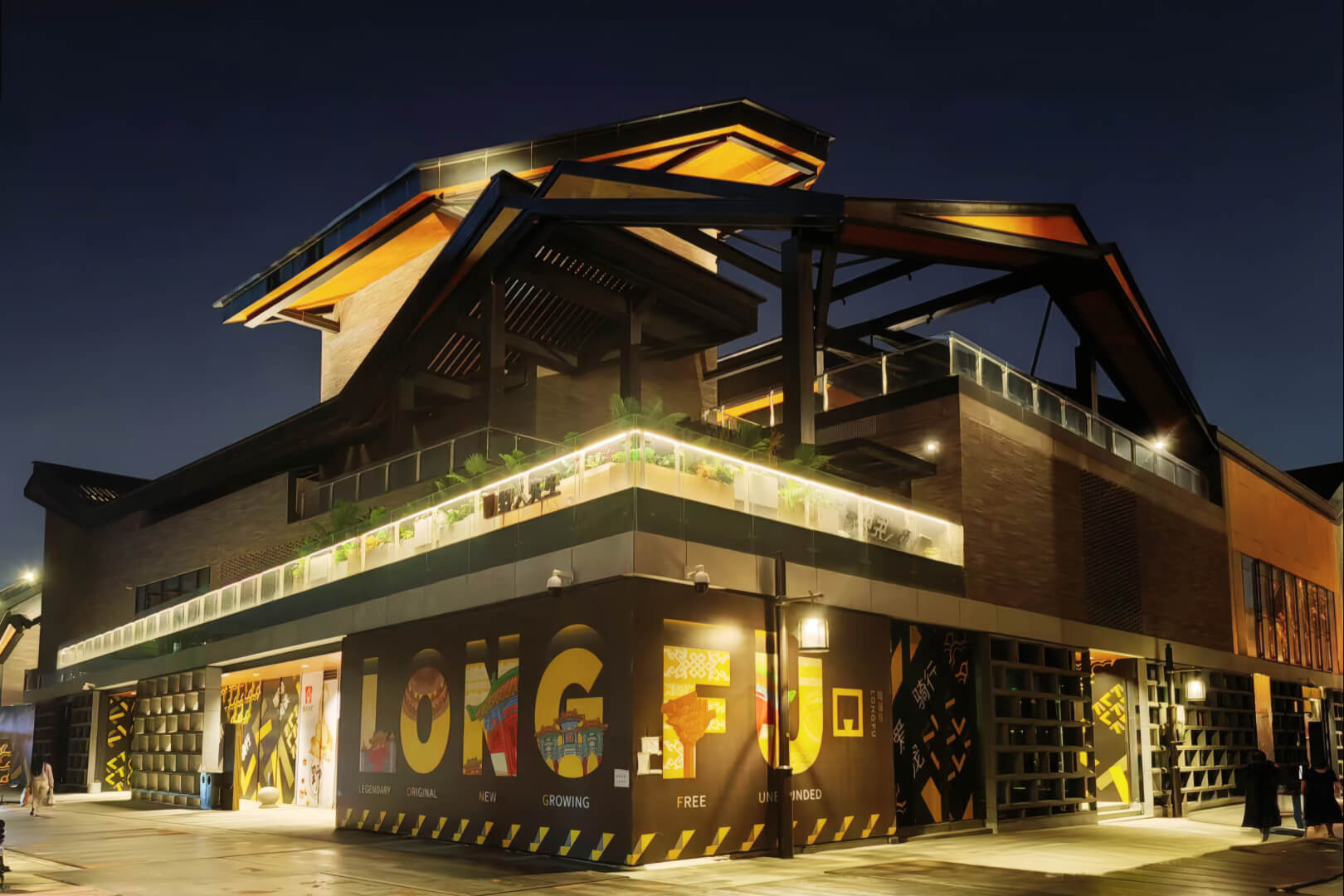 ©积柒希
©积柒希
 ©大宝宝蛋蛋子
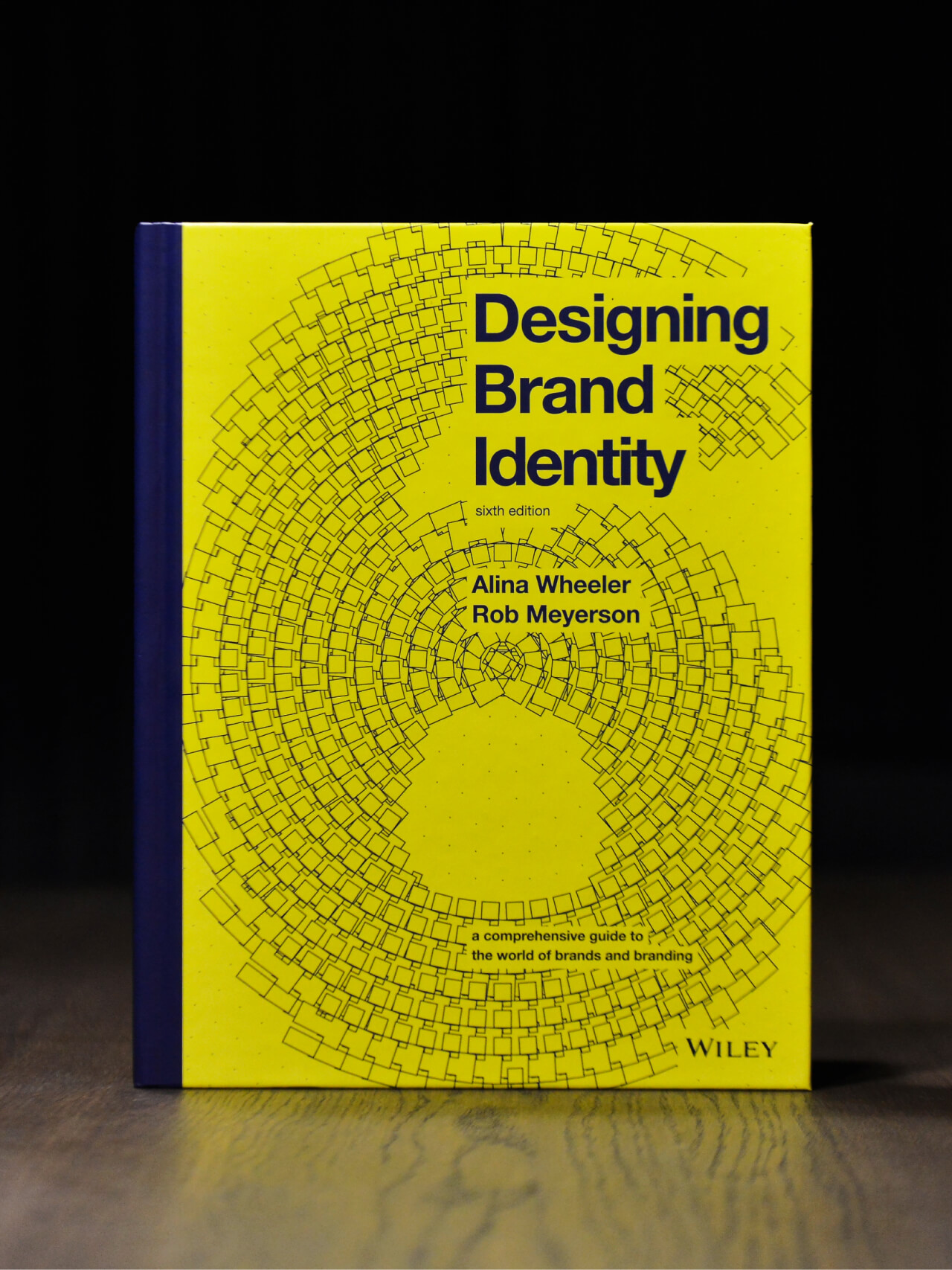
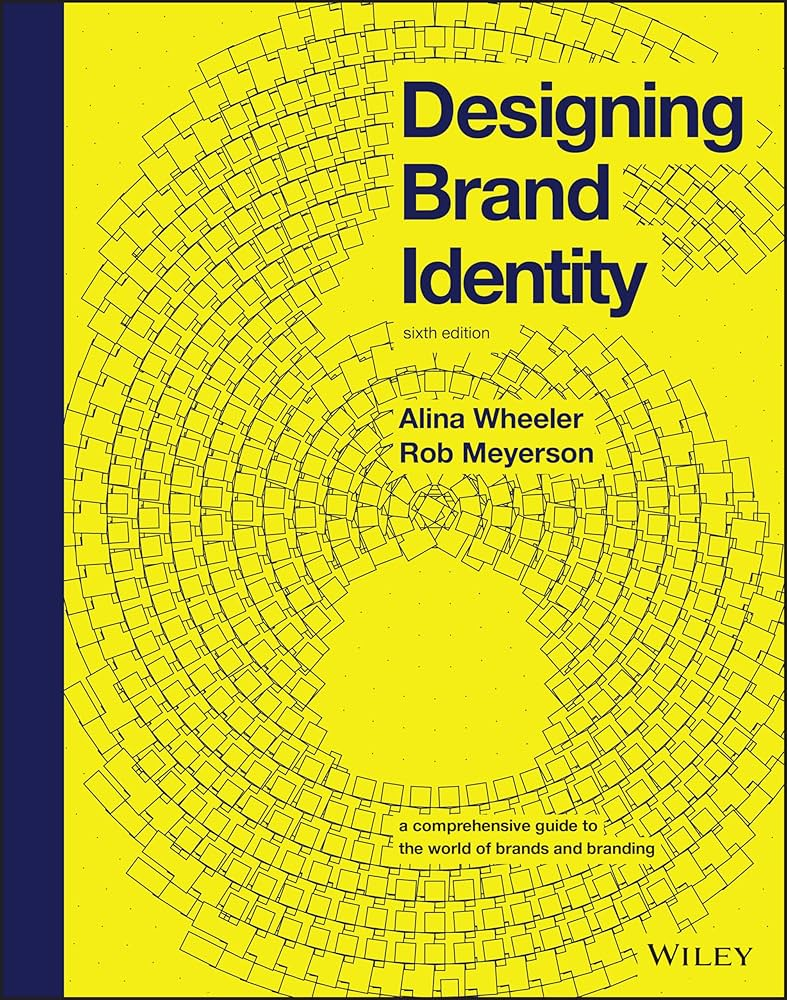
The project has also been recognised internationally, and was featured in Designing Brand Identity, one of the most influential publications in the field of brand strategy and visual identity. Its inclusion highlights Longfu Temple’s transformation as a compelling example of how heritage-driven place branding can bridge history and contemporary culture, demonstrating the role of design in shaping meaningful and enduring urban narratives.